

March 10, 2023 ● 11 min read
Profit and Loss Statement for Amazon Sellers








Starting an online business has never been easier, thanks to Amazon. But how do you determine which products to sell that will capture your target audience? Finding trending products to sell on Amazon is a good starting point for any new or seasoned seller.
Particularly if you’re interested in selling private label products, you must have trendy products to differentiate your products and build a loyal customer base. Let’s talk about how to identify the hot products on Amazon and how to win the market.
When you run an e-commerce business, one of the most important elements to success is finding the right products to sell. You want to have items that appeal to a wide range of customers and will generate high sales volumes. So, how do you go about finding these products? The best way to identify trending products is to know what’s hot on Amazon currently.
Trending products refer to any product that is currently popular and in demand. As customers seek out products that meet their needs, it’s important to stay ahead of the curve and identify what’s trending before your competitors do. Identifying a trend early can give you the upper hand in the market.
When selecting products to sell, an Amazon seller must consider different factors, such as market demand, your business niche, and competition. Hot products are an effective way to generate good revenue for a short time. Below are some of Amazon’s product categories where you can constantly find new and emerging trends.
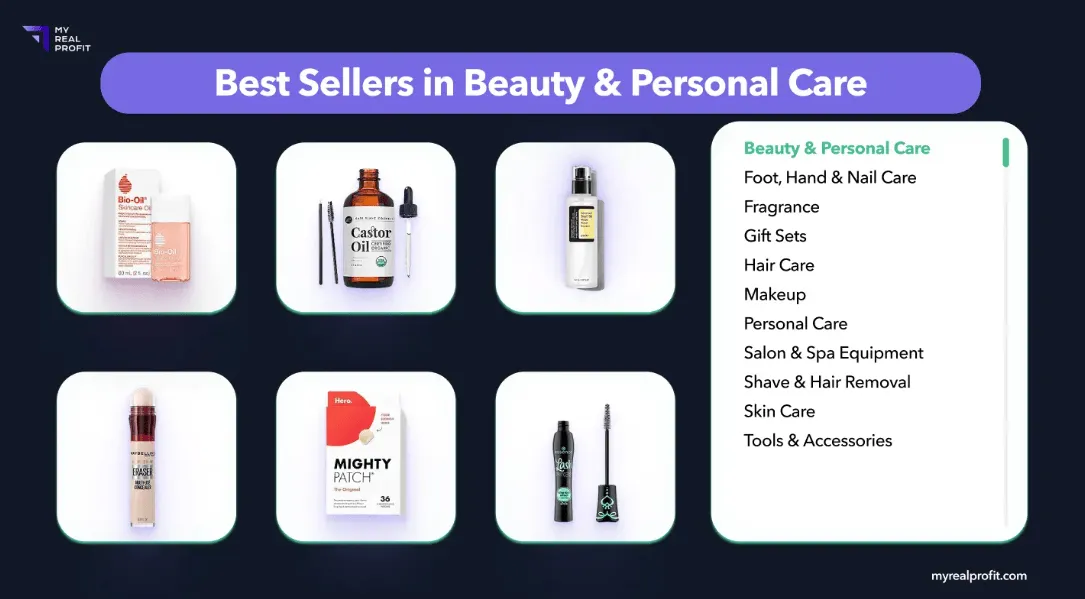
Personal care and beauty products are always trending on Amazon. Consumers are increasingly searching for natural products with ingredients that they can trust. The latest beauty trends include natural ingredients, vegan products, and organic solutions. Look at Amazon’s best-seller list in the beauty category to identify the latest trends and top-selling products.
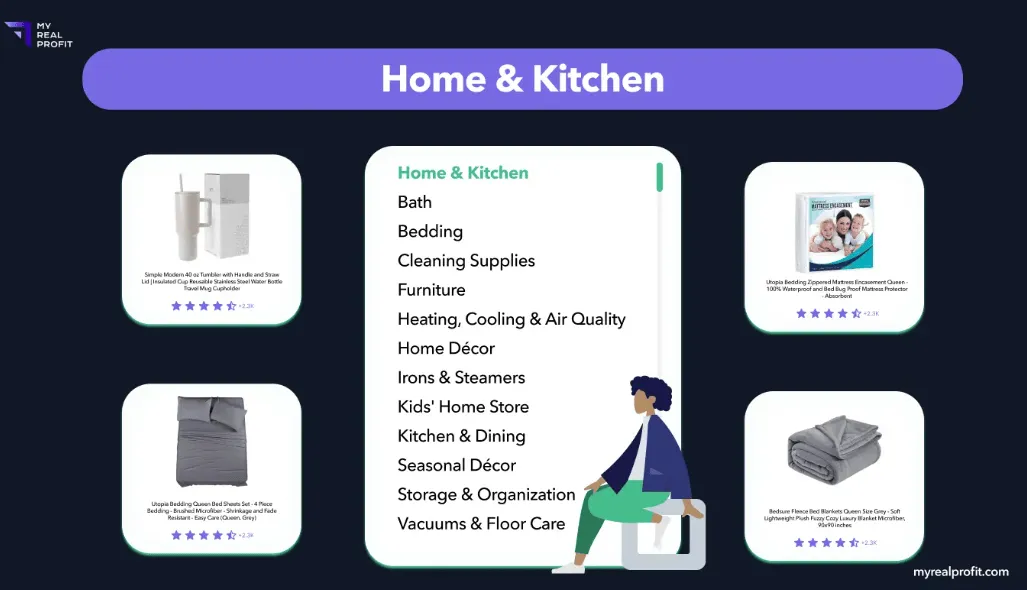
The home and kitchen category is one of the most popular on Amazon. New products are emerging constantly in this category, from appliances to cookware to furniture. The trending products are smart home appliances that can be integrated with your smartphone, voice-activated kitchen gadgets, and home decor items with modern designs. Many shoppers are looking for sustainable products to use in their homes, so keep an eye out for items made from eco-friendly materials like bamboo or recycled plastic.
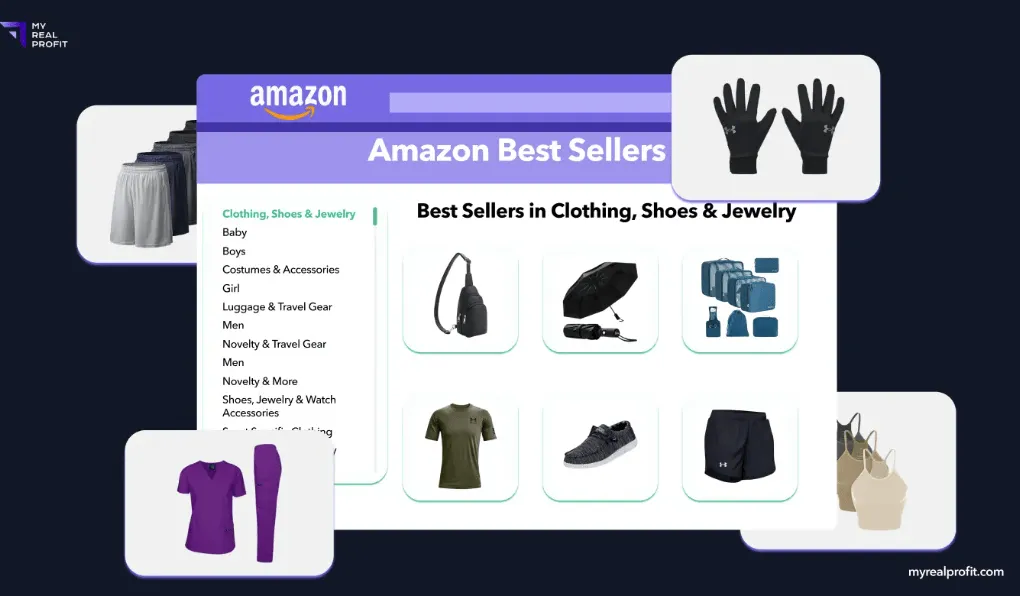
The fashion industry is always changing and reinventing itself. Consumers are looking for the latest styles, trends, and colors in clothing, shoes, and accessories. Current favorites include athleisure, statement jewelry, sustainable fabrics, trendy sneakers, and bold prints. Look for items with unique designs to stand out from the competition on Amazon.
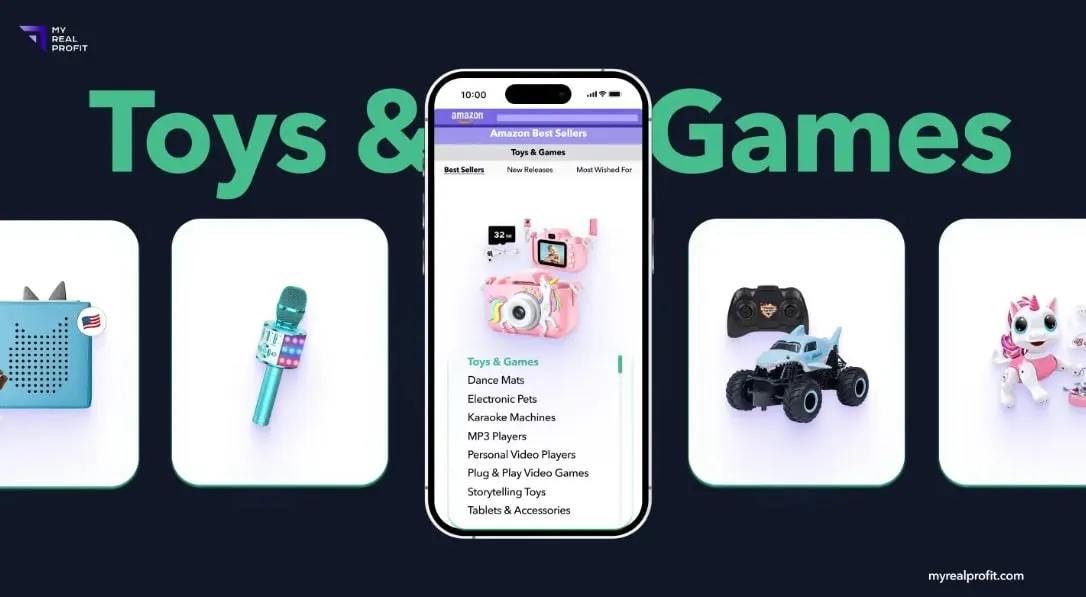
Toys and games are always popular among consumers, especially with younger generations. Right now, there is a strong demand for interactive toys that can keep kids engaged and entertained. Educational toys, such as coding kits or STEM-based puzzles, have become increasingly popular over the past few years. Other trending products include board games, plushies, dolls, and collectibles.
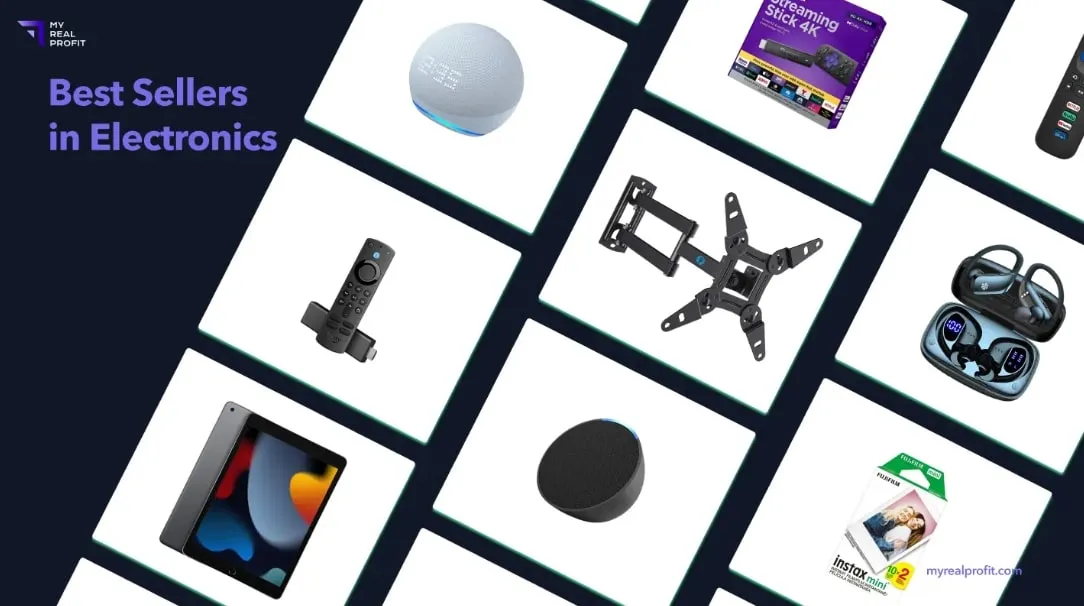
As technology continues to rapidly evolve, so do the Amazon trends in the electronics category. Consumers are looking for products that make their lives easier and more efficient. Smart speakers, appliances with voice activation capabilities, and virtual reality headsets are all hot items on Amazon now. As new technologies emerge, so will new product ideas for this category. So, be sure to keep up with the latest trends and developments in electronics.
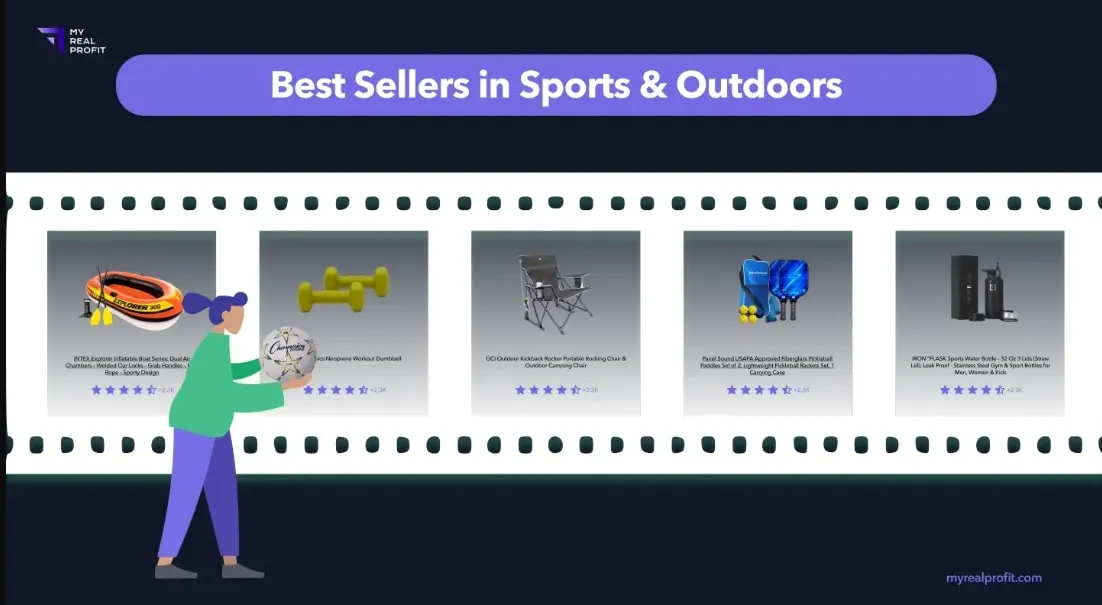
Consumers are always looking for fitness equipment, gear, sports apparel, and more to help them stay active and healthy. Recent trends in this category include workout equipment, running shoes with innovative technologies, insulated water bottles, camping gear, and yoga accessories. Look at items that combine comfort and functionality for maximum appeal.
These popular categories have consistent trends. However, some products that are on trend now may lose their current status. That’s why it’s crucial to understand how to stay updated on the latest trending products on Amazon.
Leveraging trending products presents an enticing opportunity to expand your ecommerce business. If you already have these items in your inventory, it’s time to maximize the trend before it dissolves. You may need to adjust your pricing strategy or intensify your advertising efforts to fully exploit the profitability of these trends.
For instance, you might consider a competitive pricing strategy to attract more buyers, especially if the demand for the product is high. This could range from reducing your prices to match, beat your competitors, or offering limited-time discounts. Read more about profitable Amazon pricing strategies in our blog.
Remember, as quickly as trends come, they can fade away. So, swiftly implementing these strategies is essential to make the best of trending items on Amazon.
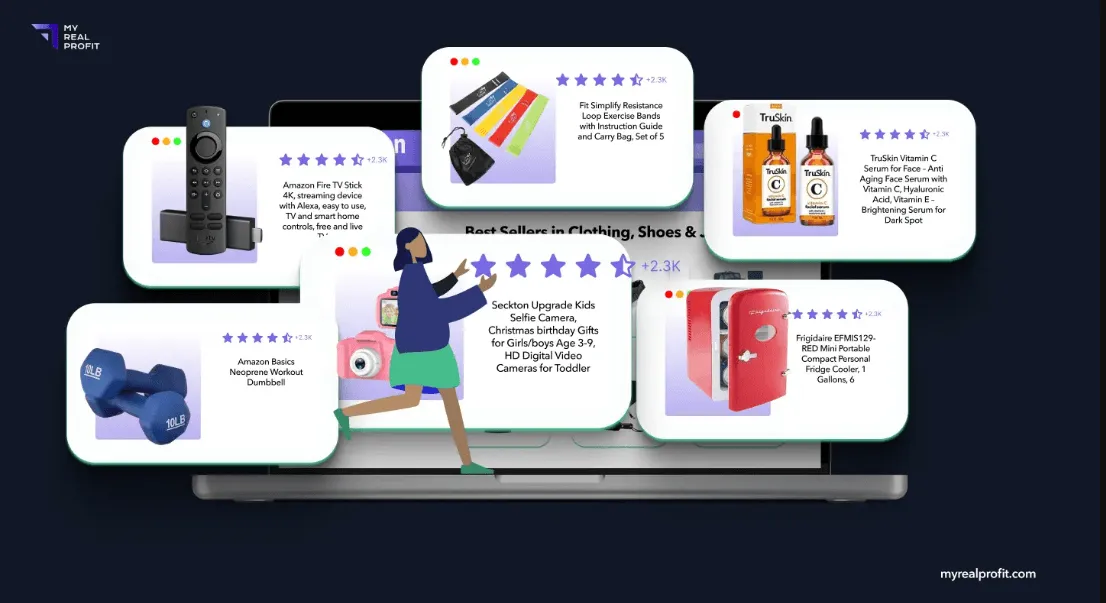
Knowing which products are currently popular can help you determine what items to stock in your inventory to get fast sales and a high profit. Here are some tips on how to find trending products for your business.
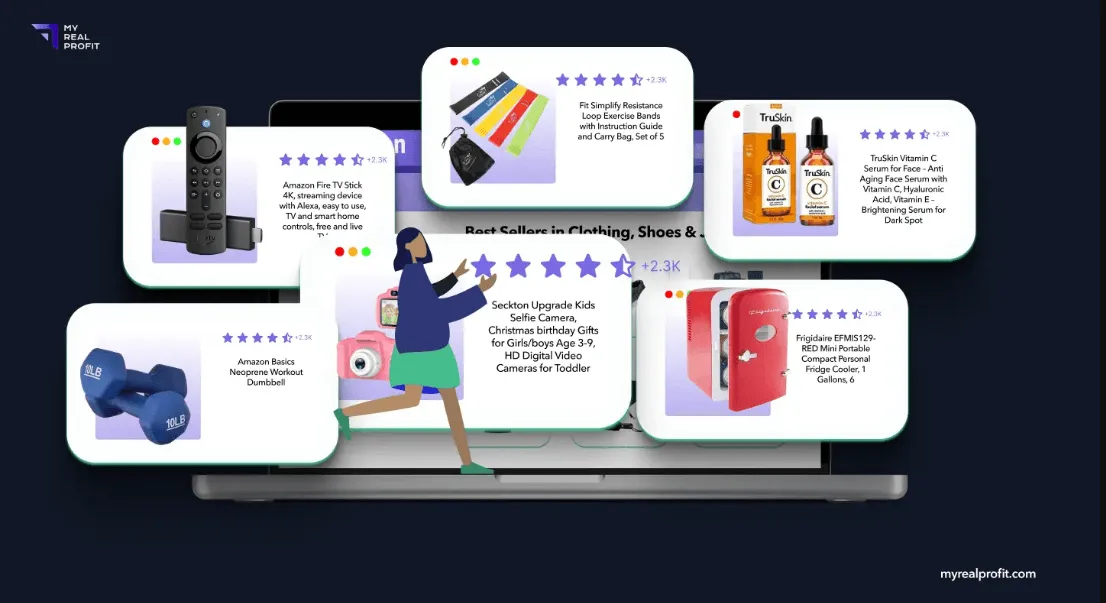
The Amazon Best Sellers page is a great place to start when looking for trends and identifying consumer demand. This page lists the top-selling items in each category, plus you can refine them by subcategories or search terms.
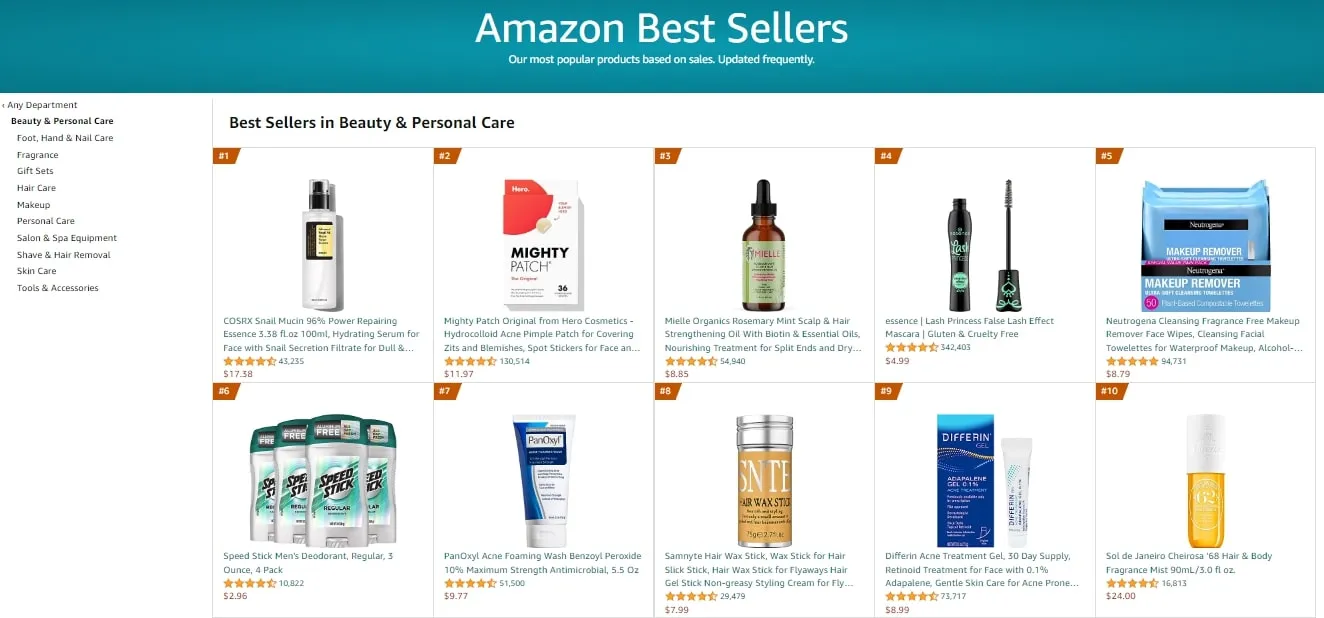
By looking at the best sellers page, you can get a sense of what’s products popular today and which items may be trending soon. It’s also a great way to stay updated on any changes in product trends so that you can adjust your product listening accordingly.
Once you open the Best Sellers list, look to the Best Sellers Rank (BSR). It can be a valuable indicator of product trends, as it shows how well an item is selling compared to others in its category. A product’s BSR is measured on a scale between 1 and 100,000, with lower numbers indicating better sales performance.
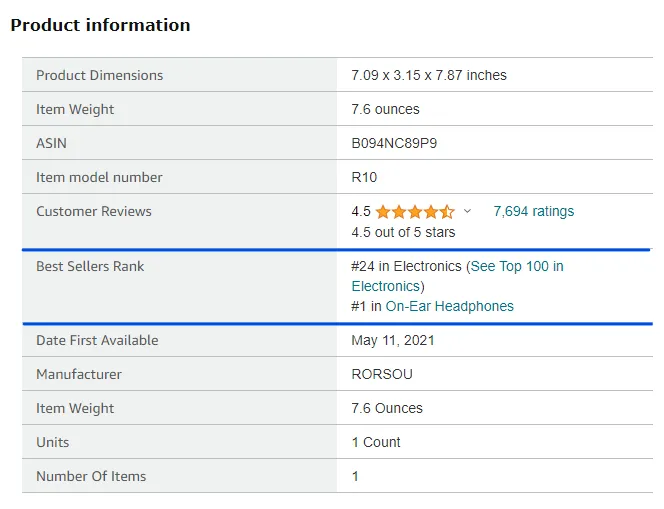
By monitoring the BSR of certain products and categories, you can quickly identify which items have experienced a surge in sales. You can also use BSR to measure the success of your products. Compare them to higher-ranking competitors and make adjustments as needed.
You shouldn’t procure the product just because it’s shown in the top best-selling item immediately. Such products may have some specifics that you must account for:
These products are very competitive
Trends might be change
The best-selling products might not have high profit margins
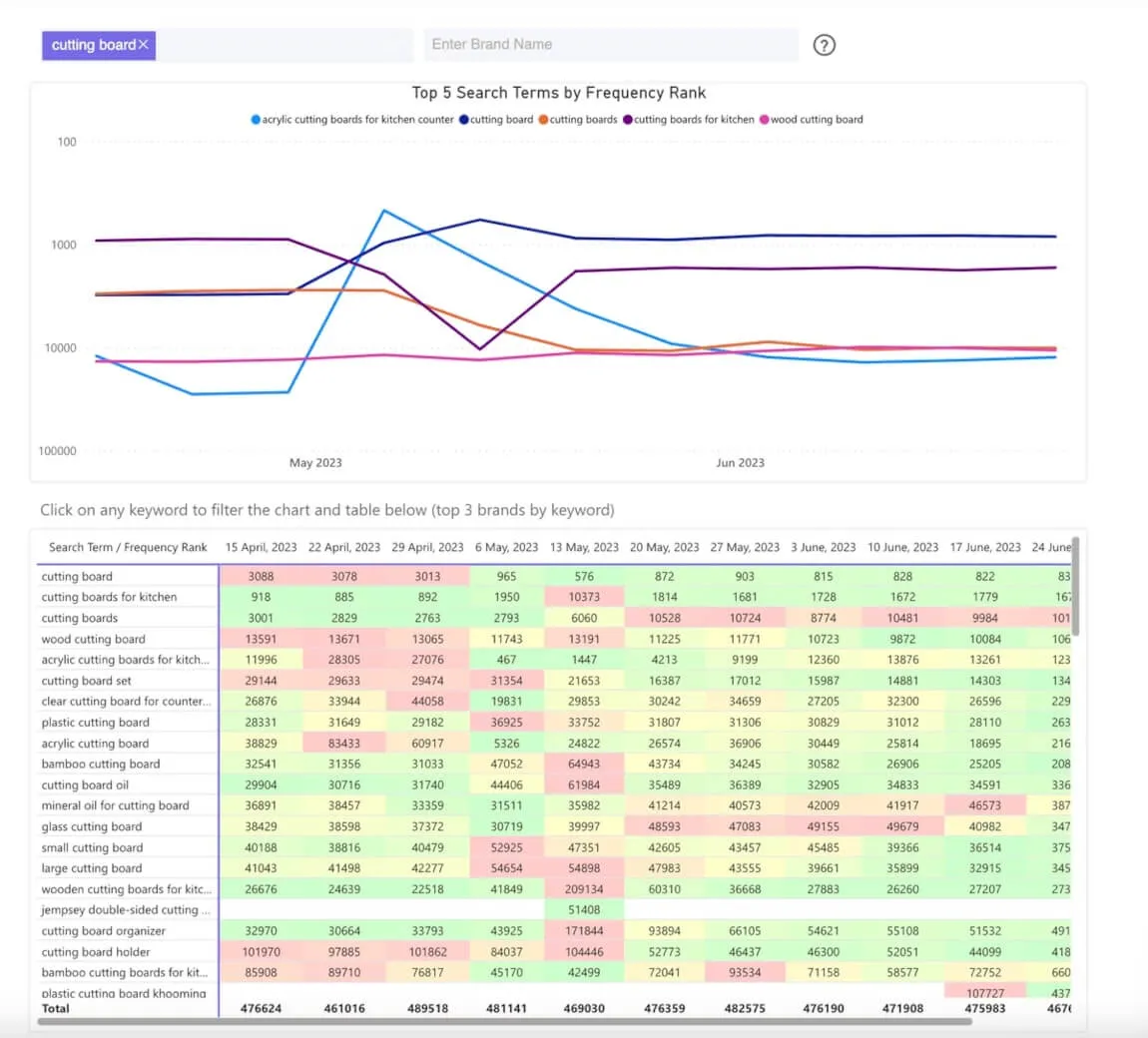
If you’re looking for new product ideas, keyword research can help you uncover trends in customer demand. By researching relevant search terms, you can identify what type of products customers are searching for and pinpoint any opportunities to capitalize on upcoming product trends. To find high-volume keywords, use a free Amazon Keyword Analyzer. It gets detailed information about keyword weekly trends and search frequency ranks. Plus, you can see the top 3 ASINs by sales.
Your competitors can be a great source of information when it comes to figuring out which products are trending.
Check out their websites and see what they’re selling as well as the keywords they use to promote their products. This can give you some insights into what customers are looking for and help you stay one step ahead of your competition.
Analysis of customer reviews is a perfect opportunity to identify potential trends. Please pay attention to the words and phrases that customers use to describe products, as this can give you valuable insights into what they’re looking for and how.
This can help you determine which products will be hot soon and adjust your product offerings accordingly.
Google Trends is a handy tool that helps you uncover potential product trends. Type keywords related to certain products, and you can see how often those terms have been searched for over time. This can give you an idea of what consumers are interested in. You can also use Google Trends to compare multiple keywords and see which ones have experienced more growth over time.
Finally, for an even clearer picture of product trends, use helpful product research tools for monitoring the market. These tools provide detailed data on customer demand and sales trends so that you can make informed decisions on what products to carry in your Amazon store. Moreover, you can use them to select the most profitable products for your store and search relevant keywords to use in product descriptions.
The tips above will help you stay on top of product trends. Ensure your Amazon store always has something fresh and exciting. With a little market research and monitoring, you can identify the products that are likely to succeed before they become a trend. This gives you a competitive advantage in the marketplace and helps ensure the continued success of your Amazon business.
When looking for products to stock in your store, there are a few key characteristics you should look out for. A profitable trending product should have the following features:
High demand: Search for an item that is in high demand and can be sold in large quantities. Focus on products that have average monthly sales in the top 10-20 products in their category.
High-profit margins: Check the product’s profitability and make sure it has good margins so you can maximize your profits.
Quality product: Look for a product with high quality standards, as these are more likely to attract customers and make them return.
Low shipping costs: Calculate how much it will cost to ship the product and make sure it’s not too high to keep your costs down.
Take into account these factors when you select best-selling products. Ensure your store is stocked with interesting products that will attract customers and boost sales velocity and profits.
As an Amazon seller, staying ahead of marketplace trends is critical to success. Analyzing customer reviews and sales history, reviewing Amazon’s best-seller list, researching relevant keywords, and monitoring competitor activity and Google trends are all valuable sources to identify trending products.
Don’t forget about different helpful tools that help track competitor activity to gain valuable insight into what customers are searching for. You have all the insights and resources to conquer Amazon. Catch the wave!