


June 28, 2023 ● 9 min read
Amazon Seller Reports Guide: All Reports Explained With Links








Advertising on Amazon remains one of the most important levers for driving visibility, demand, and incremental sales. But one question consistently challenges sellers:
How much does it actually cost to advertise on Amazon, and what drives those costs?
Understanding your Amazon advertising cost structure is no longer optional. With rising competition and more brands bidding on the same placements, you need clarity on the mechanics behind CPCs and budget efficiency.
Here’s a practical breakdown of the key cost drivers, how to interpret them, and how to use your data to optimize spend, not just increase it.
Understanding the drivers behind Amazon PPC costs is essential for improving campaign efficiency and strengthening ROI. Let’s break down the main elements impacting your ad spend.
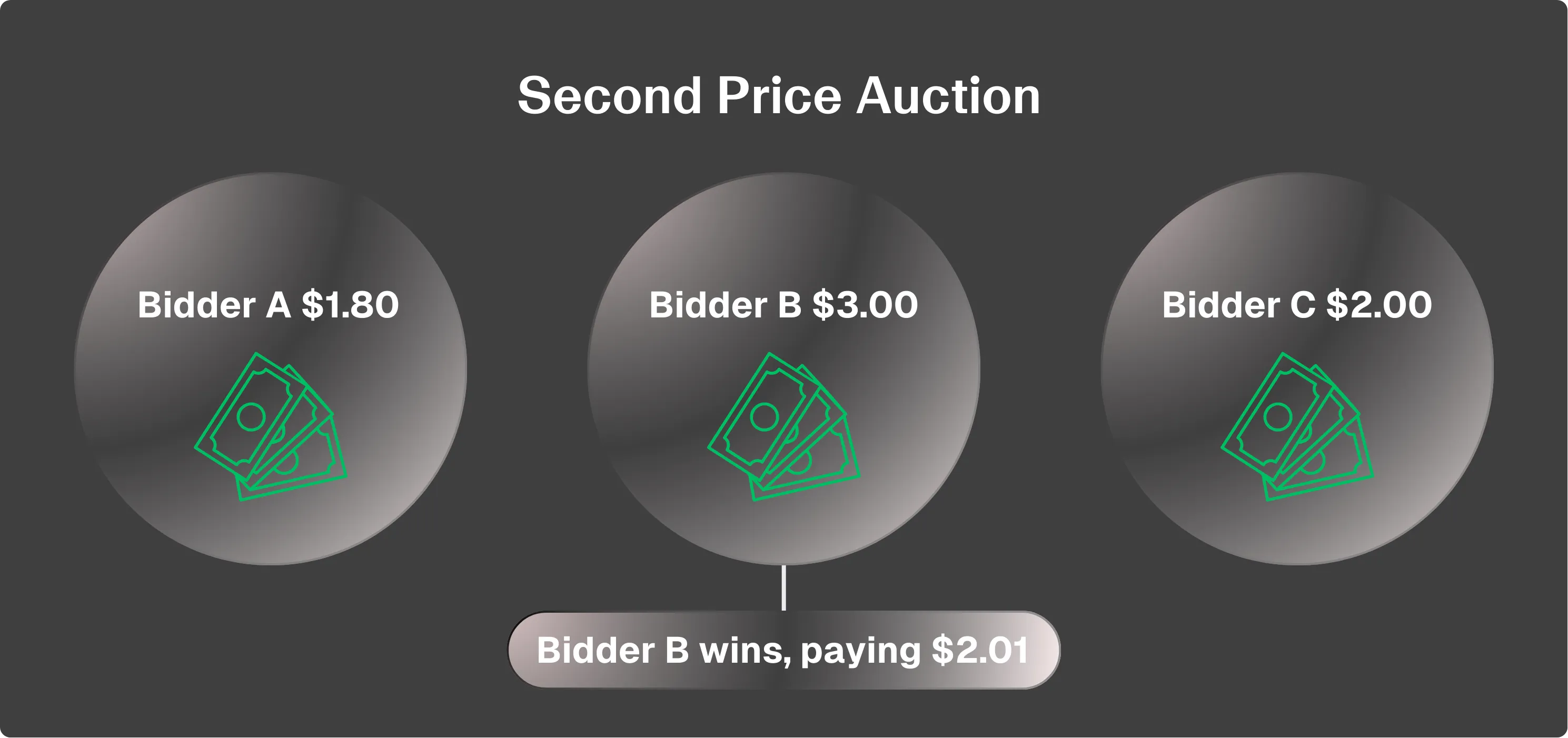
Amazon ads run on a pay-per-click (PPC) auction system. You set a maximum bid for a click, and the auction determines your actual CPC, usually just above the second-highest bid.
So the question becomes: how do you structure your bids to achieve the most efficient cost?
Amazon provides suggested bids based on historical auction data for similar products. Use this range as your initial baseline to keep your PPC costs aligned with market expectations.
Regularly monitor your campaign performance and evaluate each keyword through metrics like CTR (Click-Through Rate), CVR (Conversion Rate), and overall contribution to sales. Use these indicators to determine whether a keyword is gaining traction or simply consuming budget.
Increase bids for high-performing keywords that consistently drive qualified traffic and conversions, and reduce bids for terms that generate clicks without meaningful downstream impact. This ensures your spend stays focused on the areas that deliver incremental results.
Use bid adjustments to control how aggressively you compete in different placements, such as top of search, product pages, or rest of search, and during specific times of day. Performance often varies meaningfully across these environments, so adjusting bids based on where and when your ads convert best helps you direct spend toward the highest-return opportunities.
Keywords are one of the primary drivers of Amazon PPC costs. High-competition terms typically come with elevated CPCs because multiple brands are bidding aggressively for the same visibility. Low-competition keywords, on the other hand, are far cheaper but often deliver limited volume.
High-competition keywords can generate meaningful traffic and market share, but they also increase your blended advertising cost. Lower-competition terms may improve efficiency, yet their impact is smaller due to reduced search demand. The goal is not to choose one or the other it’s to balance both in a way that maximizes incremental gains while protecting ROI.
This is where keyword analytics becomes essential. With My Real Profit’s Automated search query performance analytics report, you evaluate search volume, competitive density, and CPC trends in real time. With this data, you can pinpoint keywords that combine strong demand with manageable competition, allowing you to allocate spend where it drives the most incremental performance.
Ad quality and relevance have a direct impact on your CPC and overall advertising efficiency. Amazon evaluates factors such as CTR, keyword relevance, and the quality of your creative assets to determine how competitive your ads are within the auction. When these signals are strong, your Quality Score improves, reducing CPCs and unlocking stronger placements for the same budget. When they’re weak, costs rise and visibility declines.
To maintain a high relevance score and improve ad efficiency, focus on optimizing your content:
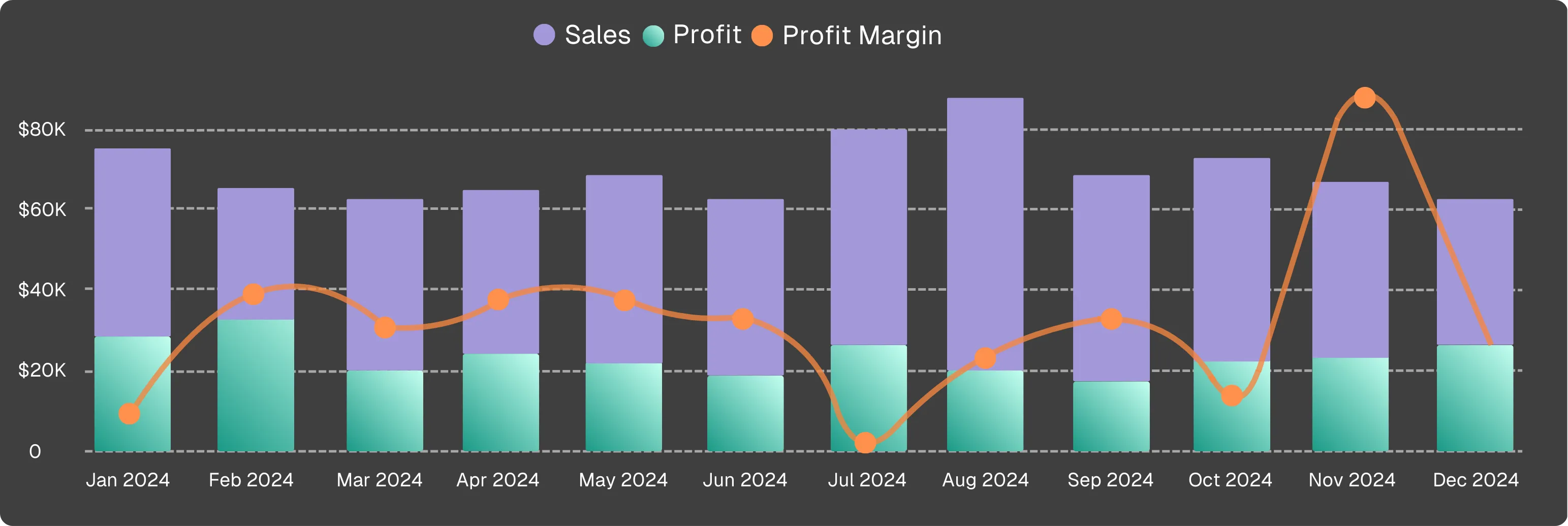
Seasonality and shifting consumer demand have a significant impact on Amazon’s advertising costs. During high-intent periods, such as Prime Day, Black Friday/Cyber Monday, and the holiday season, competition increases as more brands raise bids to protect visibility. This bidding pressure drives CPCs higher, meaning you may need to increase your spend simply to maintain the same level of exposure.
Using historical performance trends is essential for navigating these cost spikes. With My Real Profit’s analytics dashboards, you can identify when your category experiences demand surges, how your sales respond during these windows, and where your PPC efficiency changes. This allows you to allocate larger budgets strategically during high-demand periods, rather than reacting to rising CPCs in real time.
Beyond budget planning, seasonality should influence your creative and campaign structure. Align your ad messaging, offers, and product positioning with upcoming events to capture increased shopper intent. Entering peak seasons with pre-planned bids, budgets, and creative assets gives you a competitive edge and helps you convert demand more efficiently.
The way you structure a campaign’s budget and duration also influences overall advertising costs. Amazon allows you to set either daily budgets or lifetime budgets, and each option impacts how aggressively your spend is deployed throughout the campaign. Duration plays a similar role; short bursts and long-running campaigns behave very differently in terms of cost efficiency and visibility. Let’s break down the Amazon ad campaign budget and duration.
Daily budgets cap the amount you spend on advertising on Amazon daily, providing better control over spending. Lifetime budgets allocate a total amount for the campaign’s duration, offering flexibility in utilizing your budget.
Long-term campaigns provide sustained visibility and build momentum over time, while short bursts can create an immediate impact during crucial periods. Choosing the right approach depends on your goals and market conditions.
Effective budget management is essential for running efficient Amazon ad campaigns. Below are advanced strategies that will help you maximize the impact of your advertising spend.
Setting realistic budgets is fundamental to controlling your Amazon advertising costs and avoiding unnecessary overspend. Use historical campaign data to understand cost patterns, seasonal fluctuations, and the relationship between spend and incremental performance. This gives you a grounded baseline for how much budget you actually need, not just how much you could spend.
Budgeting shouldn’t be static. Continuously monitor campaign performance and reallocate resources based on what the data shows. When a campaign consistently delivers strong efficiency and incremental sales, increasing the budget allows you to capture additional volume. Conversely, shift spend away from underperforming campaigns to prevent wasted budget and maintain overall profitability. Over time, this dynamic approach ensures your advertising dollars flow to the areas that generate the highest return.
Implementing cost control techniques can help you maximize ad spend efficiency and achieve better ROI. Here are some cost control techniques you should consider:
Improving your Amazon ads ROI is ultimately about directing spend toward the areas that generate the highest incremental return. A core part of this process is monitoring and optimizing ACOS. ACOS is a crucial metric for measuring ad campaign profitability. The goal is to balance ad spend and sales revenue, continually refining campaigns to improve ACOS.
ROI optimization also requires diversification. Allocating budget across multiple ad types, Sponsored Products, Sponsored Brands, and Sponsored Display, allows you to capture shoppers at different points in the buying journey. This broader reach strengthens visibility, stabilizes performance, and helps you build a more resilient advertising strategy that scales more efficiently.
Understanding the cost dynamics of running Amazon ads is essential for maximizing your ROI and achieving success on Amazon. By considering the factors that affect the cost of Amazon advertising and implementing budget management strategies, you can optimize your ad spend and enhance campaign performance.
Advertising generates a lot of data, and you need it to build a clear picture of campaign performance. MRP brings together advanced Advertising Analytics to help you understand campaign performance and analyze PPC results at a deeper level.
Try My Real Profit for free and start making the most out of your Amazon data today!
1. How much does it cost to run Amazon ads in 2026?
Amazon advertising costs in 2026 aren’t fixed. Your category plays the biggest role in determining how much you’ll pay per click.
2. What determines how much Amazon ads cost?
Amazon ad costs are primarily influenced by:
Brands with strong relevance, optimized listings, and efficient CPC control strategies pay significantly less per click than brands relying solely on bid increases.
3. How do I know if I’m overspending on Amazon PPC?
Common indicators include:
Using performance dashboards like My Real Profit Advertising Analytics helps visualize wasted spend and identify keywords that are not delivering incremental revenue.
4. How should I set my Amazon PPC bids for the best cost efficiency?
Use this framework:
5. How does keyword competition impact Amazon advertising costs?
High-competition keywords drive CPCs up because more brands are bidding for the same placements. These keywords often produce high traffic but lower efficiency.
Low-competition keywords improve ROI but usually bring less volume. The most effective strategy is balancing both allocating spend according to search volume, keyword intent, and incremental sales contribution.
Tools like My Real Profit’s automated SQP analytics help identify high-value keywords with manageable CPCs.
6. How does ad relevance affect my CPC?
Relevance is one of the strongest cost drivers in Amazon’s auction. Amazon evaluates: CTR, keyword alignment, listing quality, image clarity, and historical performance
7. How does seasonality affect Amazon’s advertising cost?
During high-intent shopping periods (Prime Day, Q4, Black Friday/Cyber Monday), CPCs rise because more advertisers increase bids. You may need larger budgets simply to maintain the visibility you normally achieve.
8. What’s the best way to structure my Amazon ad budget?
Follow this model:
Remember: your structure should match your growth stage and category competitiveness.
9. What ACOS should I aim for to maximize ROI?
There is no universal ACOS target; it depends on your margins, product lifecycle, repeat purchase behavior, customer acquisition goals, and category competitiveness. The best practice is monitoring ACOS alongside incremental revenue, not just total revenue.
10. How can My Real Profit help me lower Amazon advertising costs?
My Real Profit Advertising Analytics helps brands: