
March 10, 2023 ● 11 min read
Profit and Loss Statement for Amazon Sellers








The best Amazon PPC software depends on your ad spend and how much control you want. These tools automate bids, keywords, and budgets to save you time and cut wasted spend. But they will not tell you if a campaign actually makes money. For that, pair one with a best Amazon analytics tool that shows real profit after Amazon fees, fulfillment, and refunds.
To rank them, we reviewed the top Amazon PPC tools and scored each out of 100 on five things that matter at scale: automation, control, reporting, pricing transparency, and ease of use and support. For deeper performance insights, you can also use amazon advertising analytics alongside your PPC tool.
There is no single winner for everyone. A solo seller on a small budget, an agency running many accounts, and an enterprise team spending six figures a month all need different tools. This list covers the full range, so use the scores and the “best for” notes to match one to your situation.
If you just want the short version, start here. The table shows each platform’s starting price, standout strength, and who it suits. Use it to match a tool to your business size and budget faster.
| Rank | Tool | Score | Starting price | Standout strength | Best for |
|---|---|---|---|---|---|
| 1 | AdLabs | 77/100 | $40/mo | Flexible rule engine | Small and mid-market brands and agencies |
| 2 | Perpetua | 72/100 | $695/mo | Strong PPC automation | Ad-led sellers wanting profit context |
| 3 | Trellis | 72/100 | Custom | Ads + pricing automation | Scaling brands |
| 4 | Skai | 72/100 | $114,000/yr | Enterprise cross-channel | Enterprise media teams |
| 5 | Teikametrics | 71/100 | $149/mo | Mature AI optimization | Large ad budgets |
| 6 | Pacvue | 70/100 | Custom | Enterprise-grade analytics | Serious retail-media programs |
| 7 | Quartile | 70/100 | Custom | Strong automation | Hands-off multi-retailer ads |
| 8 | Jungle Scout Cobalt | 70/100 | Custom | Strong attribution | Large Amazon Ads budgets |
| 9 | Hector | 70/100 | Custom | Real-time ad data | Data-first operators |
| 10 | Atom11 | 70/100 | $499/mo | Ads aware of stock and price | Growing brands and agencies |
Before comparing features, run through these four questions. They rule out most tools quickly and leave you with a short list.
After that, test before you commit. Every tool here offers a demo, and a couple offer a free trial.
Below is each tool in detail: what it does well, what it does not, and who should use it.
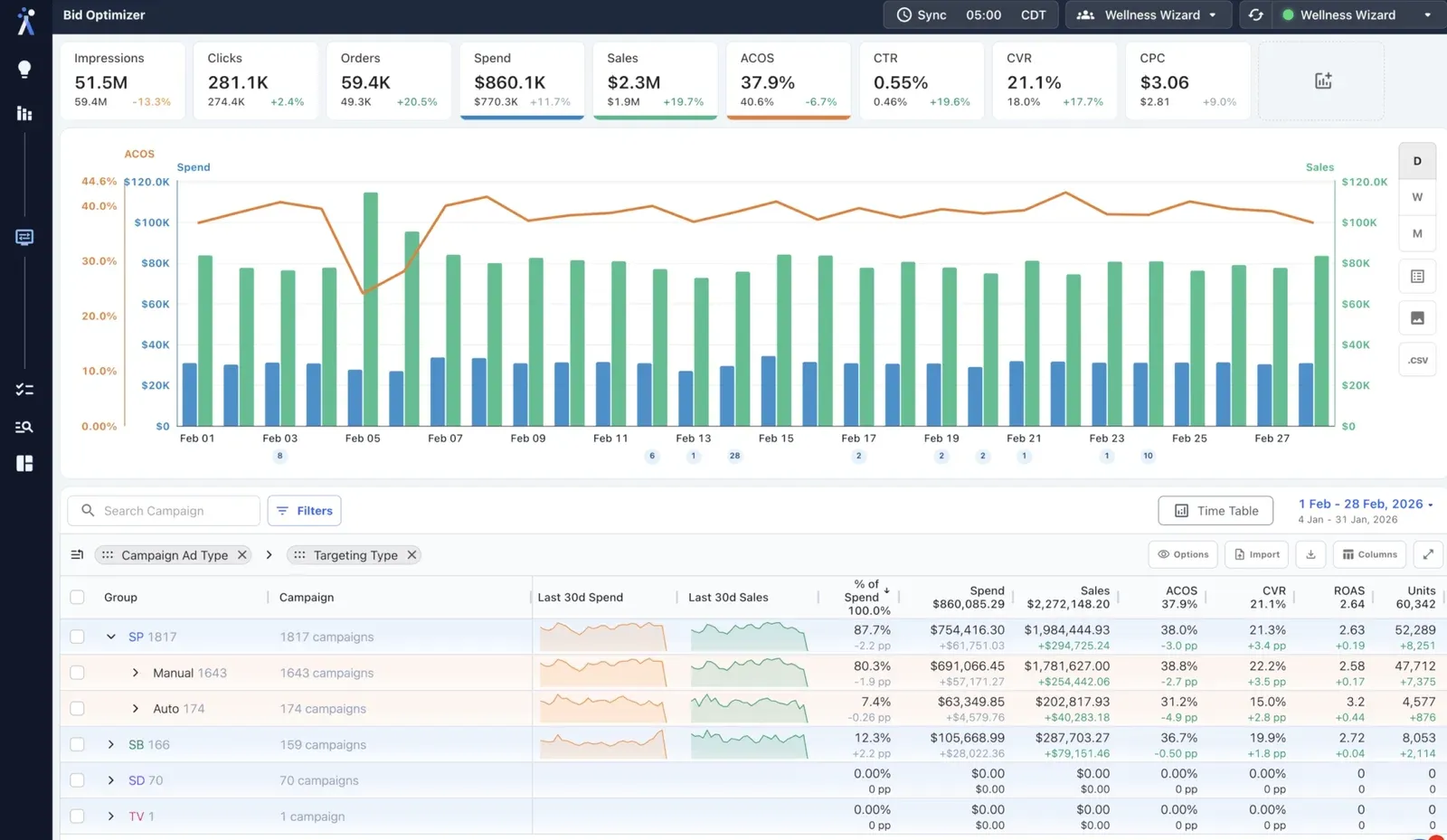
AdLabs pairs AI automation with a highly customizable rule engine, so you decide how much the tool does on its own. It handles bid optimization, keyword harvesting, dayparting, negative keywords, and bulk updates, which covers the day-to-day work most sellers repeat by hand. It fits brands and agencies that want automation without giving up control.
Pros
Cons
Free plan / trial: No free plan. Demo available. Starting price: From $40/month.
Choose it if: you want rule-based control at a low entry price, or you run an agency. Skip it if: you need a flat fee that never moves with ad spend, or you want profit reporting built in.
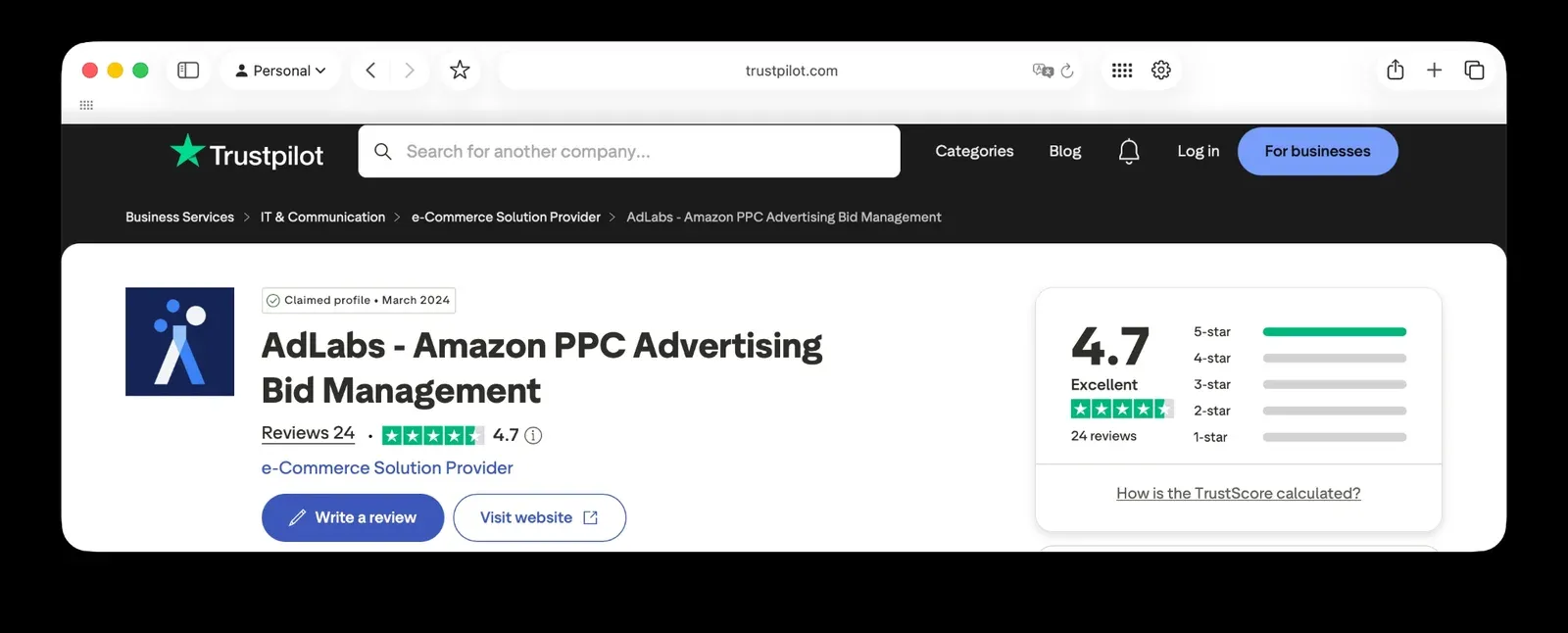
You don’t have to trust only our words. Here is how sellers rate AdLabs on Trustpilot:
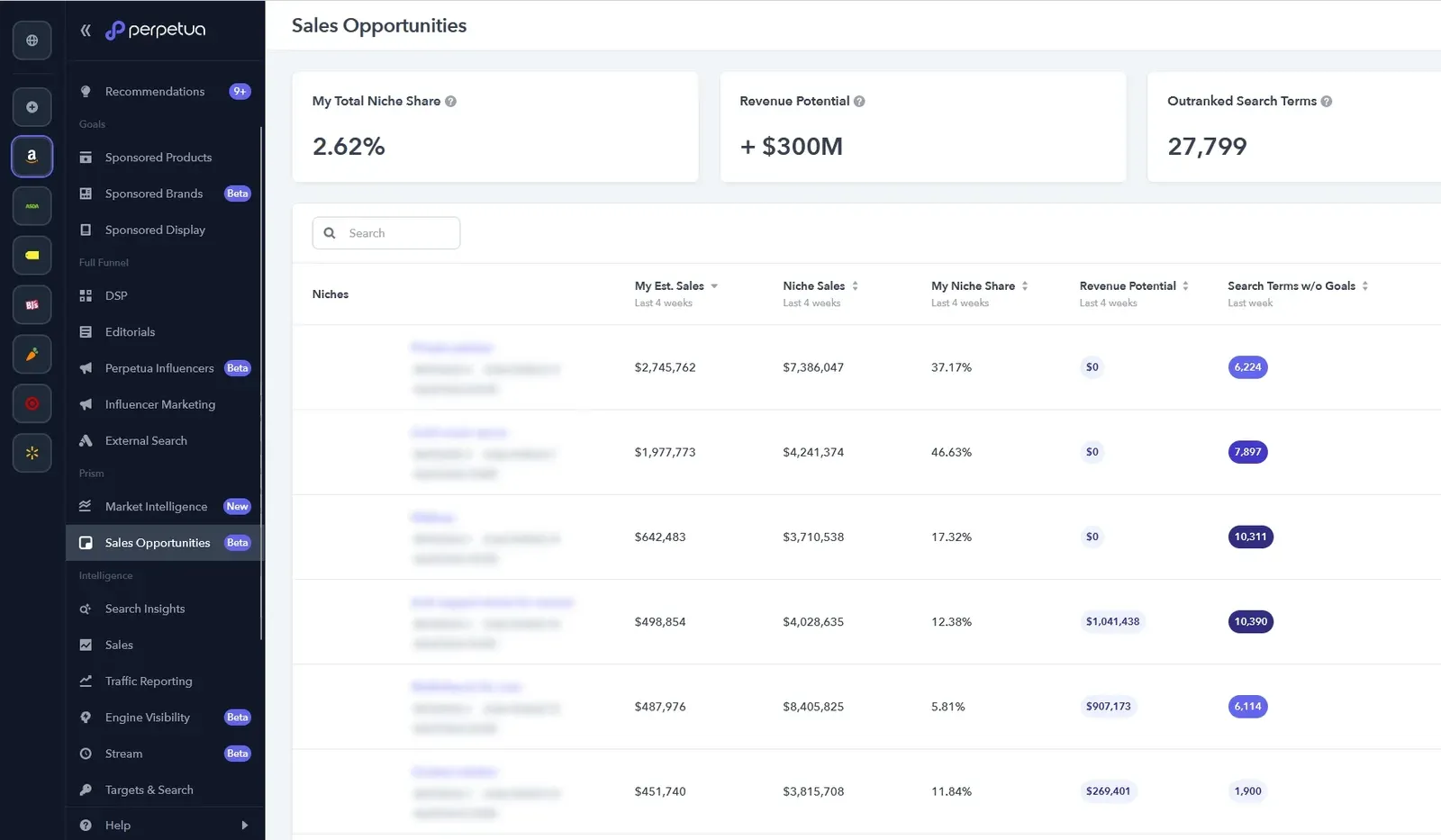
If you would rather let the software drive, Perpetua leans hard on automation. It combines AI bid optimization, keyword automation, and retail-media reporting, and it supports Amazon Marketing Cloud (AMC) for deeper insight. That makes it a fit for larger accounts that value hands-off management plus advertising analytics.
Pros
Cons
Free plan / trial: No free plan. Demo available. Starting price: From $695/month.
Choose it if: you want heavy automation and advanced ad analytics, and have the budget. Skip it if: you are price-sensitive or want a transparent price before you talk to sales.
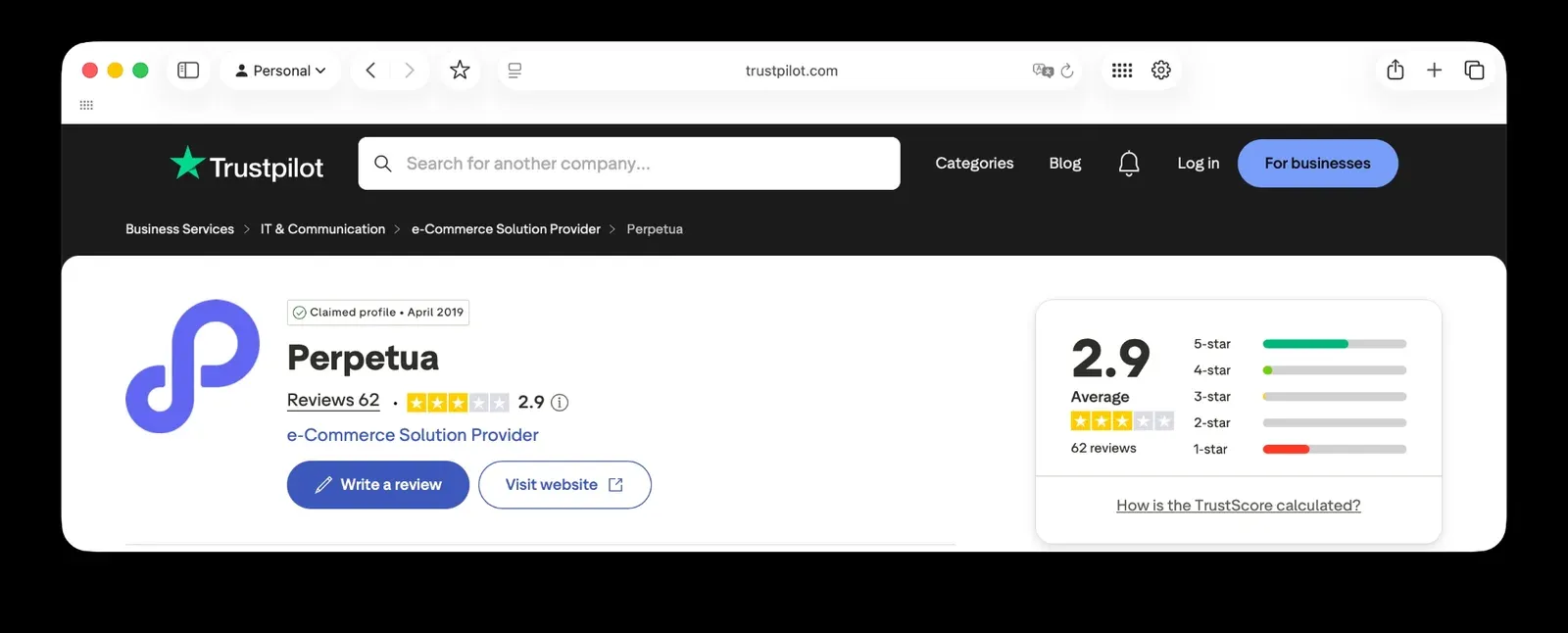
Scores are lower on Trustpilot, so read the reviews before you decide:
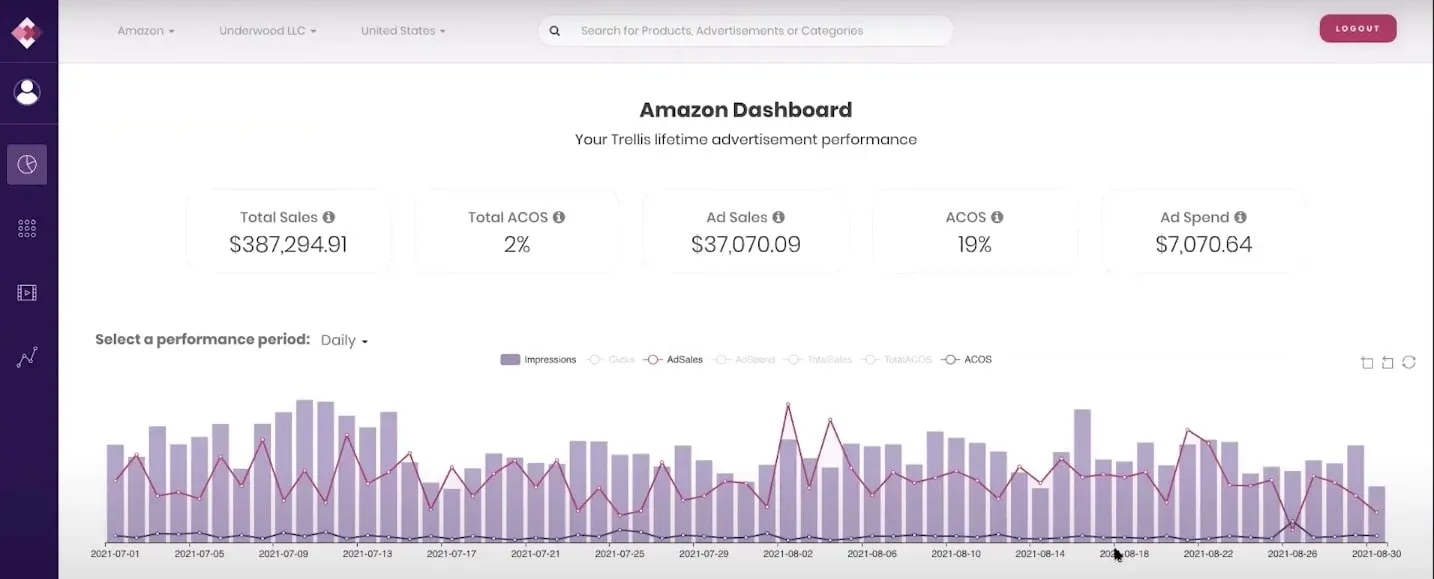
Trellis stands out by connecting PPC automation with dynamic pricing and merchandising. Rather than running ads and prices as separate jobs, you manage them together, which helps when a price change should change how hard you advertise a product. It is aimed at growing brands scaling across larger catalogs.
Pros
Cons
Free plan / trial: No free plan. Demo available. Starting price: Custom pricing.
Choose it if: you are scaling and want ads and pricing to work as one system. Skip it if: you are a small seller or want a published, fixed price.
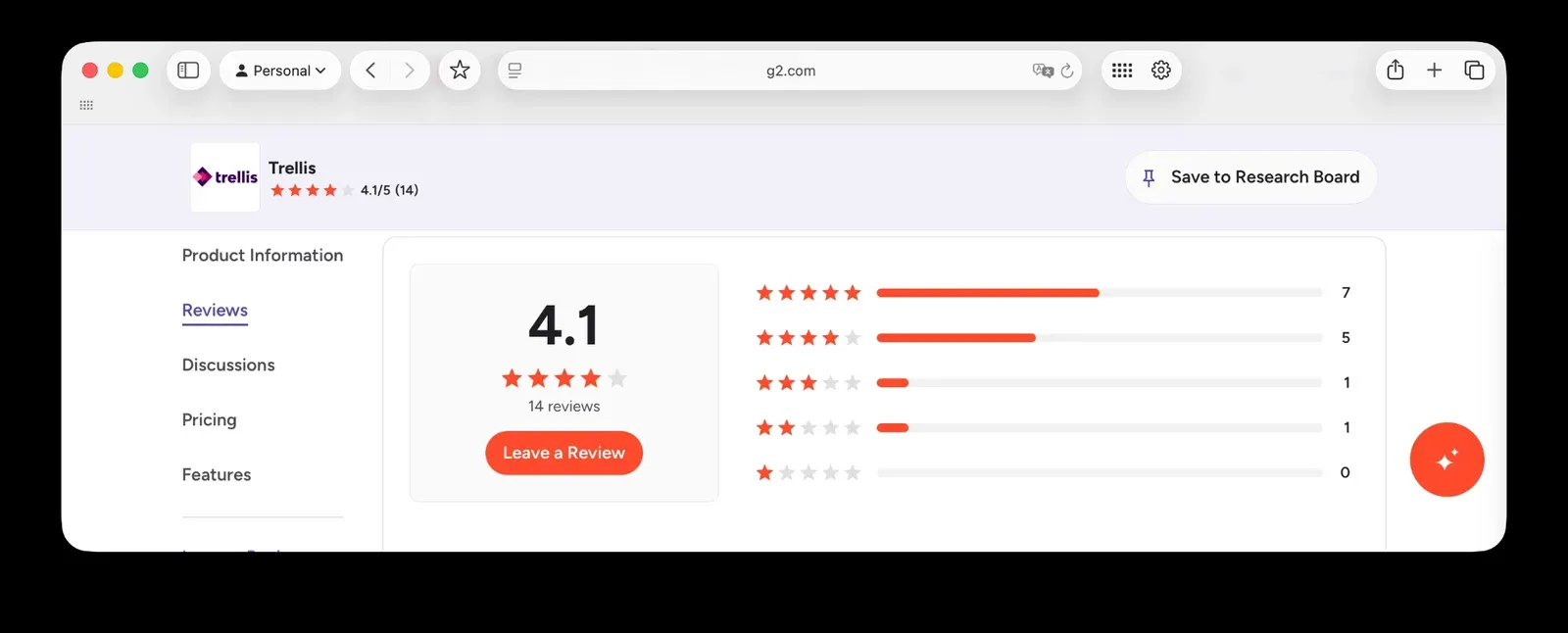
Here is what real users think about Trellis on G2:
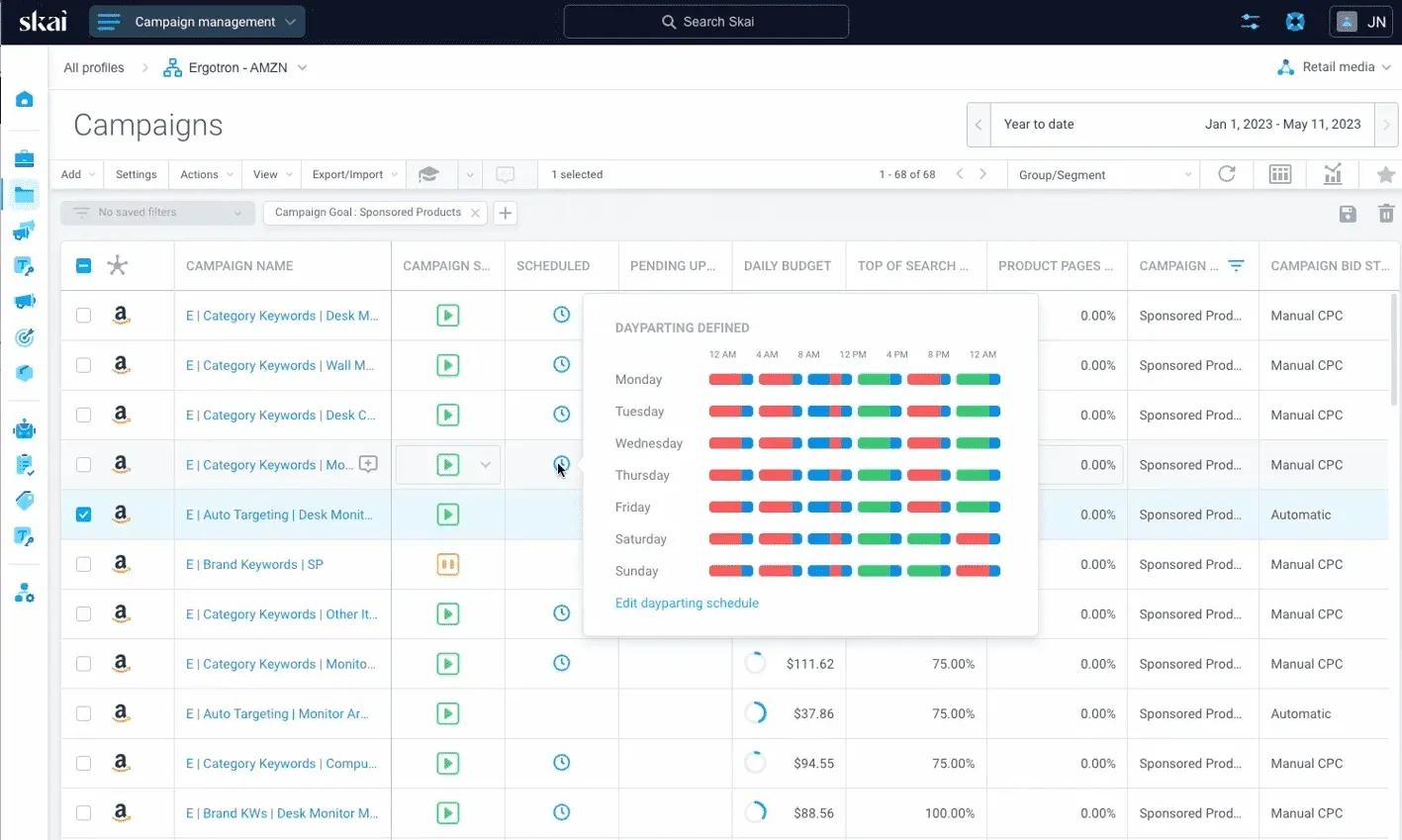
Skai is built for companies advertising across Amazon and other retail-media channels. It offers AI bidding, campaign automation, cross-channel reporting, and advanced measurement, so large teams can run everything from one place. Its value shows when you manage many networks at once, not a single Amazon account.
Pros
Cons
Free plan / trial: No free plan. Demo available. Starting price: From $114k per year.
Choose it if: you are an enterprise team running ads across several channels. Skip it if: you only sell on Amazon or have a small budget.
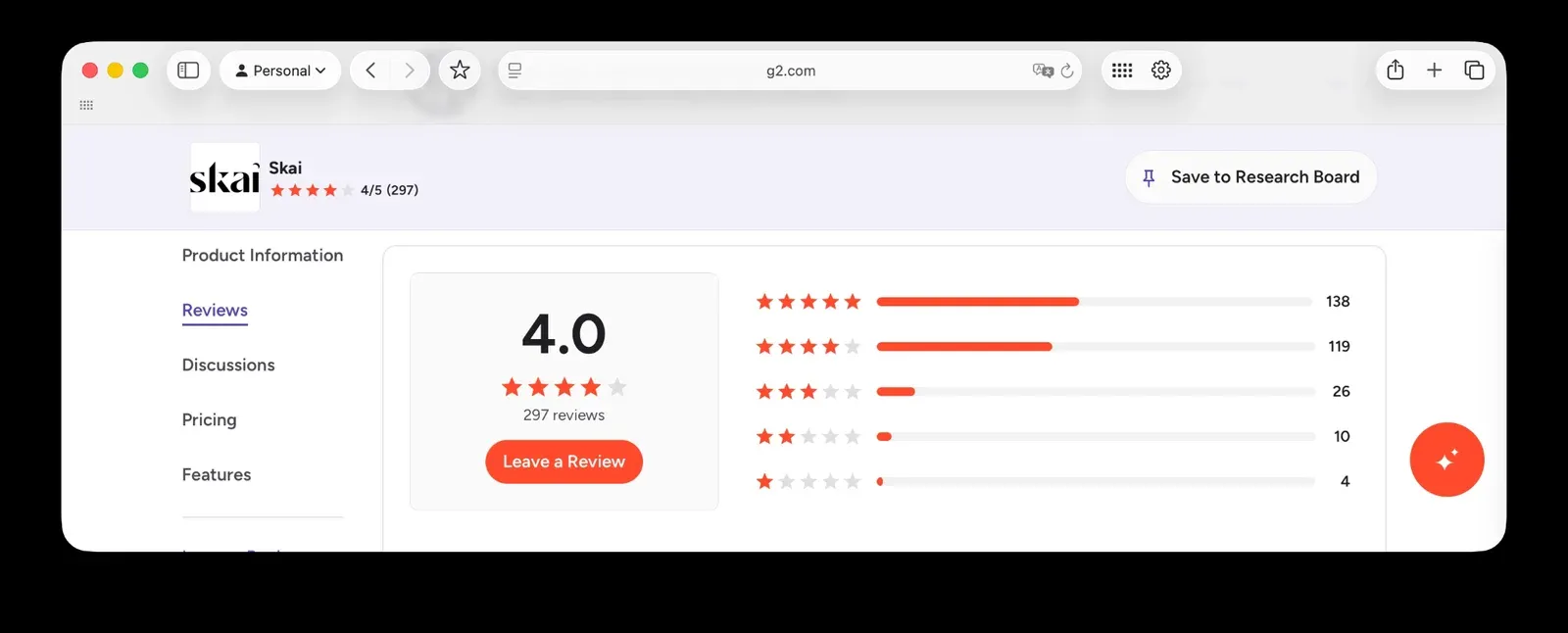
Big teams like to check reviews first. Here is how Skai rates on G2:
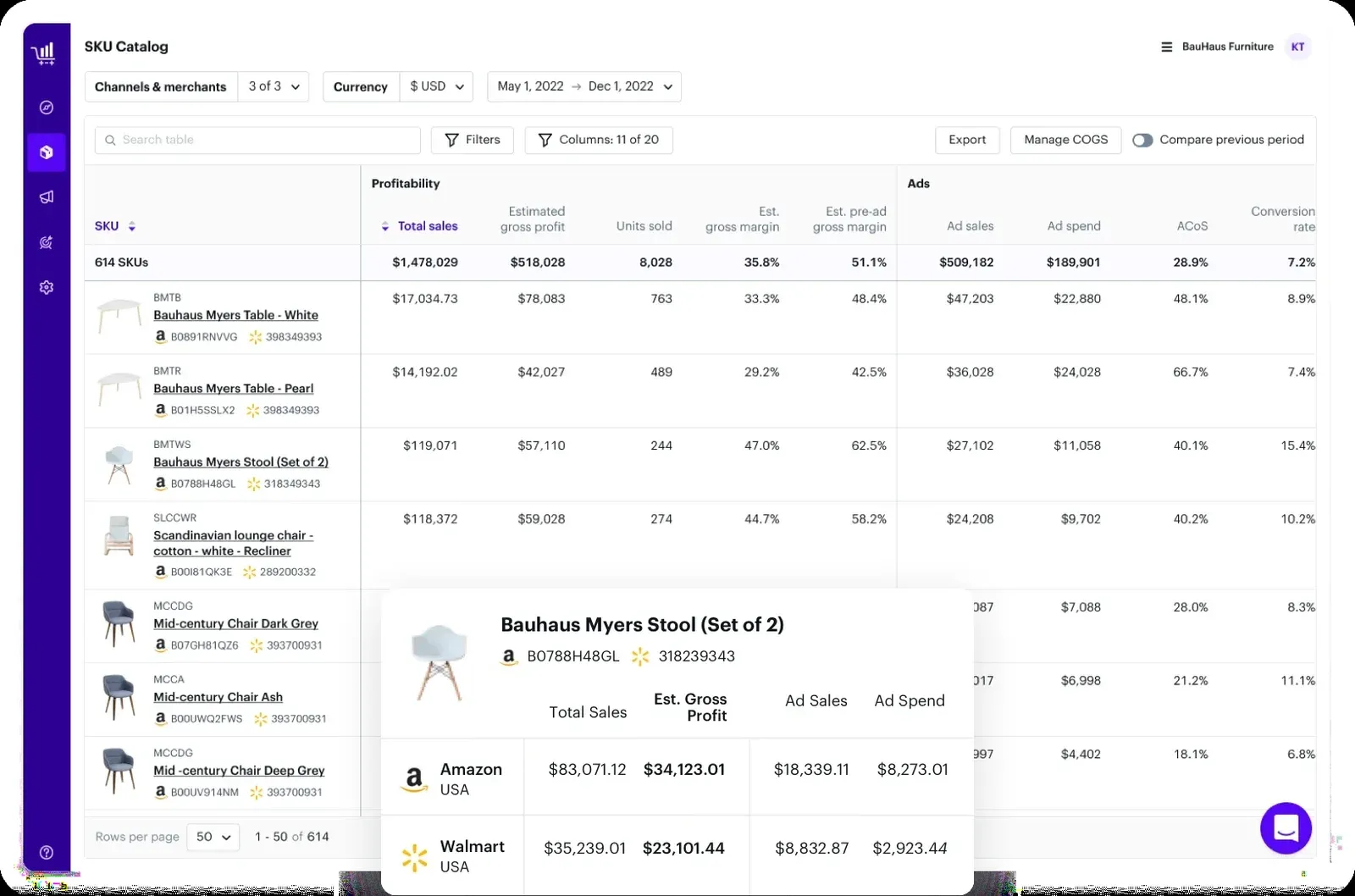
Teikametrics is one of the most established platforms here, which is reassuring if you want a proven track record. Its AI optimizes bids, improves performance, and surfaces new keywords, with detailed reports and Walmart support for sellers across multiple marketplaces. A free trial lets you test it before paying.
Pros
Cons
Free plan / trial: Free trial available. Starting price: From $149/month.
Choose it if: you have a large ad budget, sell on Amazon and Walmart, and want to trial before buying. Skip it if: you are on a tight budget or need deep customer/LTV analytics.
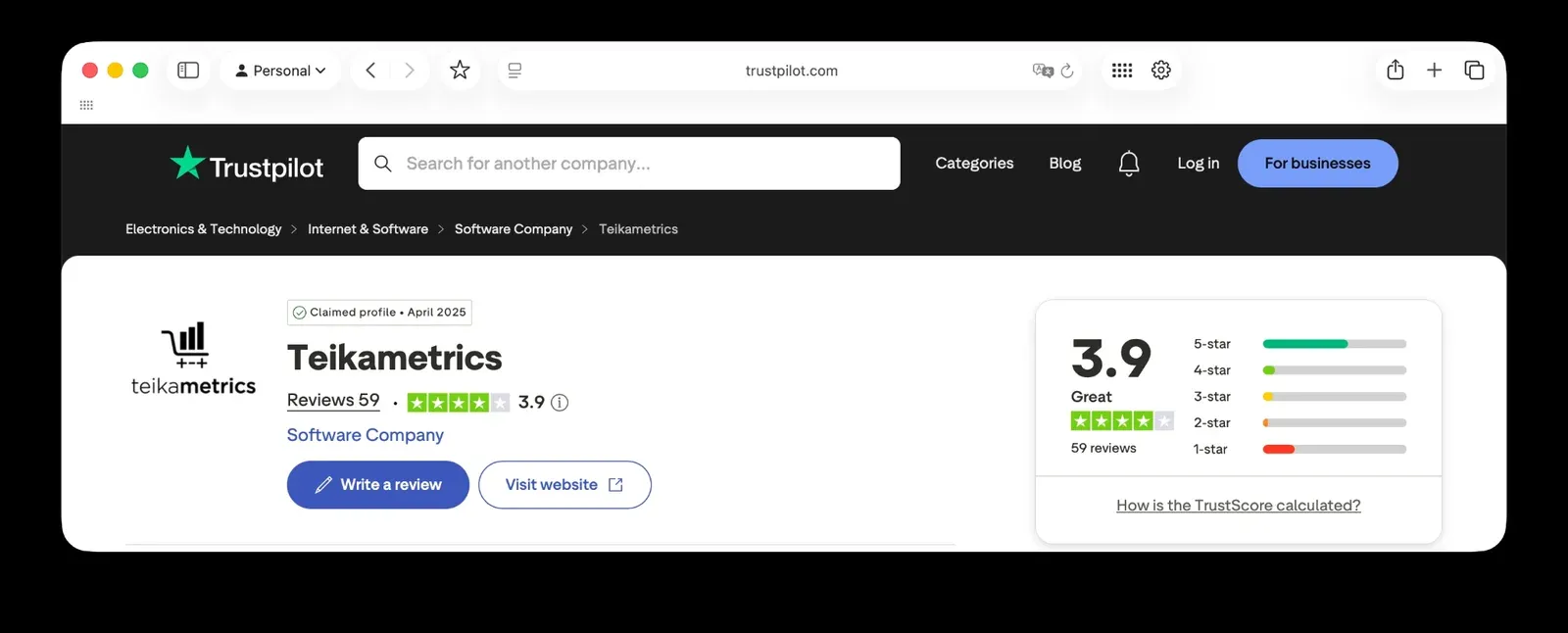
You can see its track record in the feedback. Here is how Teikametrics rates on Trustpilot:
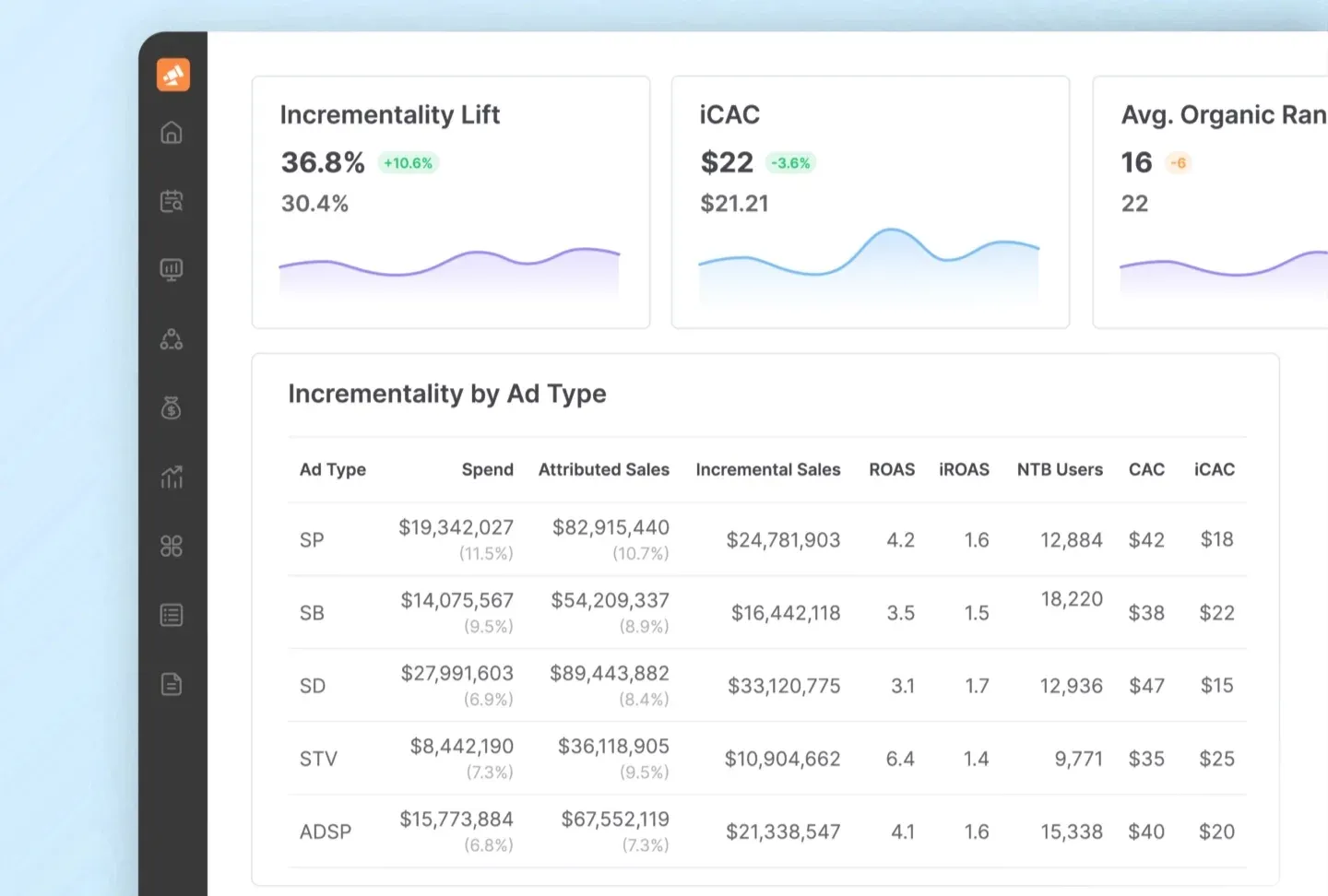
Pacvue is for enterprise advertisers that need serious retail-media management. It combines automation with detailed reporting, AMC support, and cross-retailer analytics, and it is built for complex programs rather than a single seller account. Powerful, but more than most sellers need.
Pros
Cons
Free plan / trial: No free plan. Demo available. Starting price: Custom pricing.
Choose it if: you are a large brand or agency running complex retail-media programs. Skip it if: you want something simple or affordable for one Amazon account.
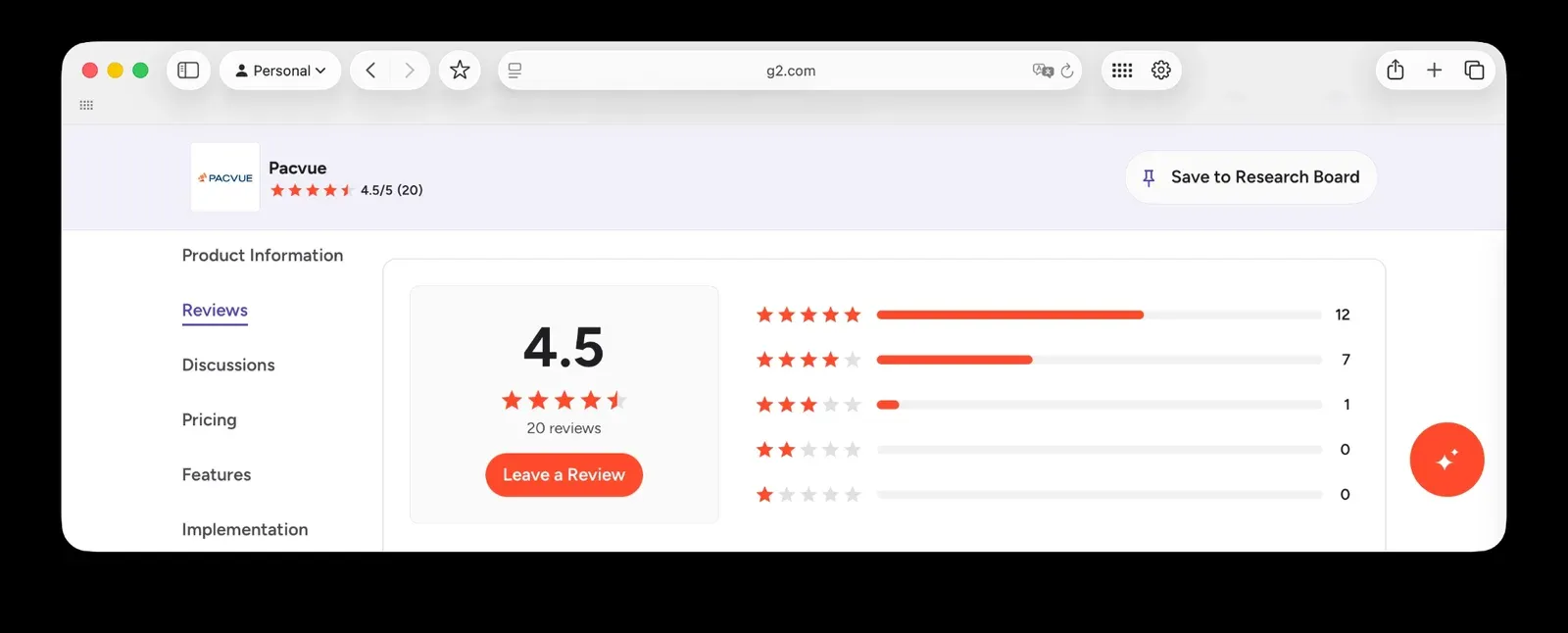
It helps to read reviews before you sign a big contract. Here is Pacvue on G2:
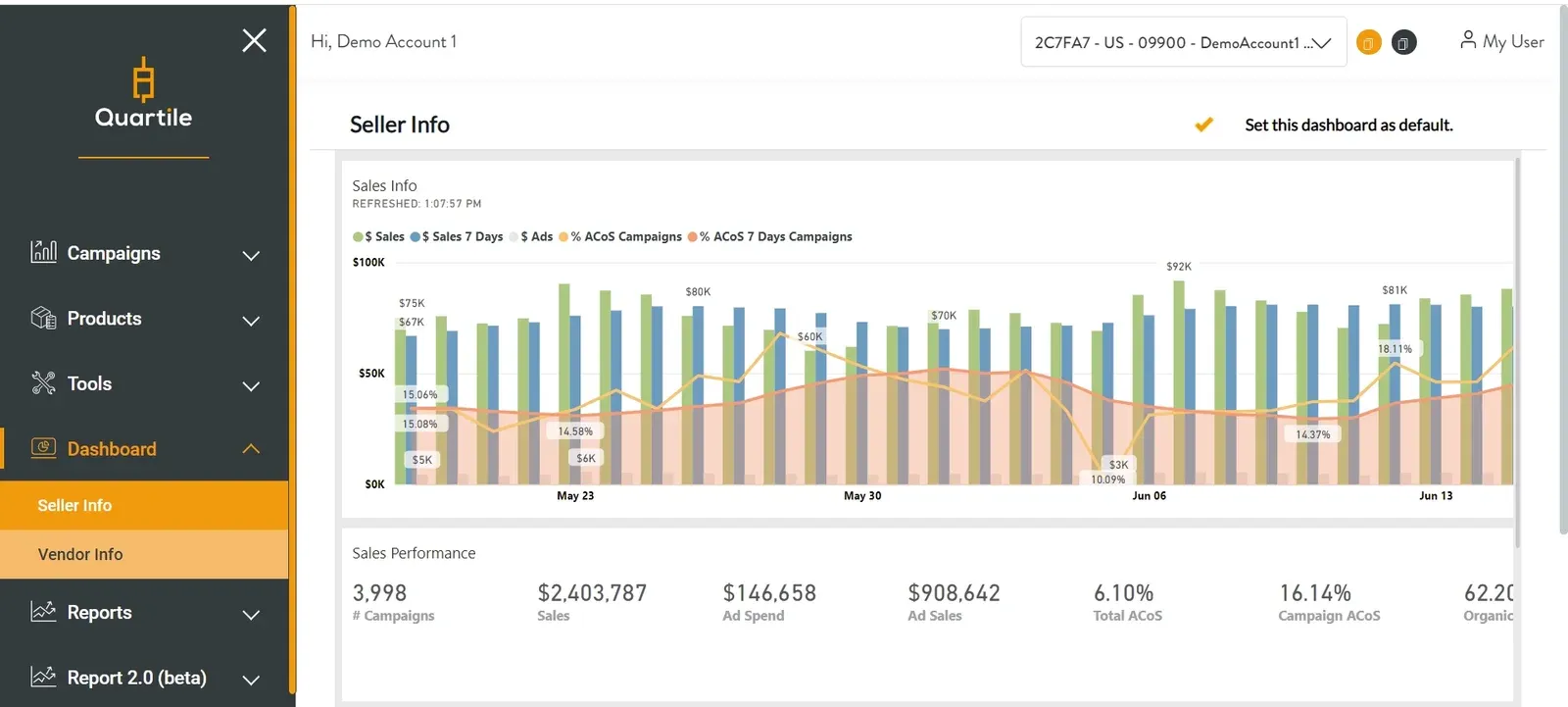
Quartile is for teams that want automation to do the heavy lifting across Amazon and other retail-media channels. Its AI handles bids and adjustments with little manual input, which suits large budgets and small teams. Pricing is based on ad spend, so costs rise as you grow.
Pros
Cons
Free plan / trial: No free plan. Demo available. Starting price: Custom pricing.
Choose it if: you want hands-off automation across multiple retailers. Skip it if: you want manual control or a price that does not scale with spend.
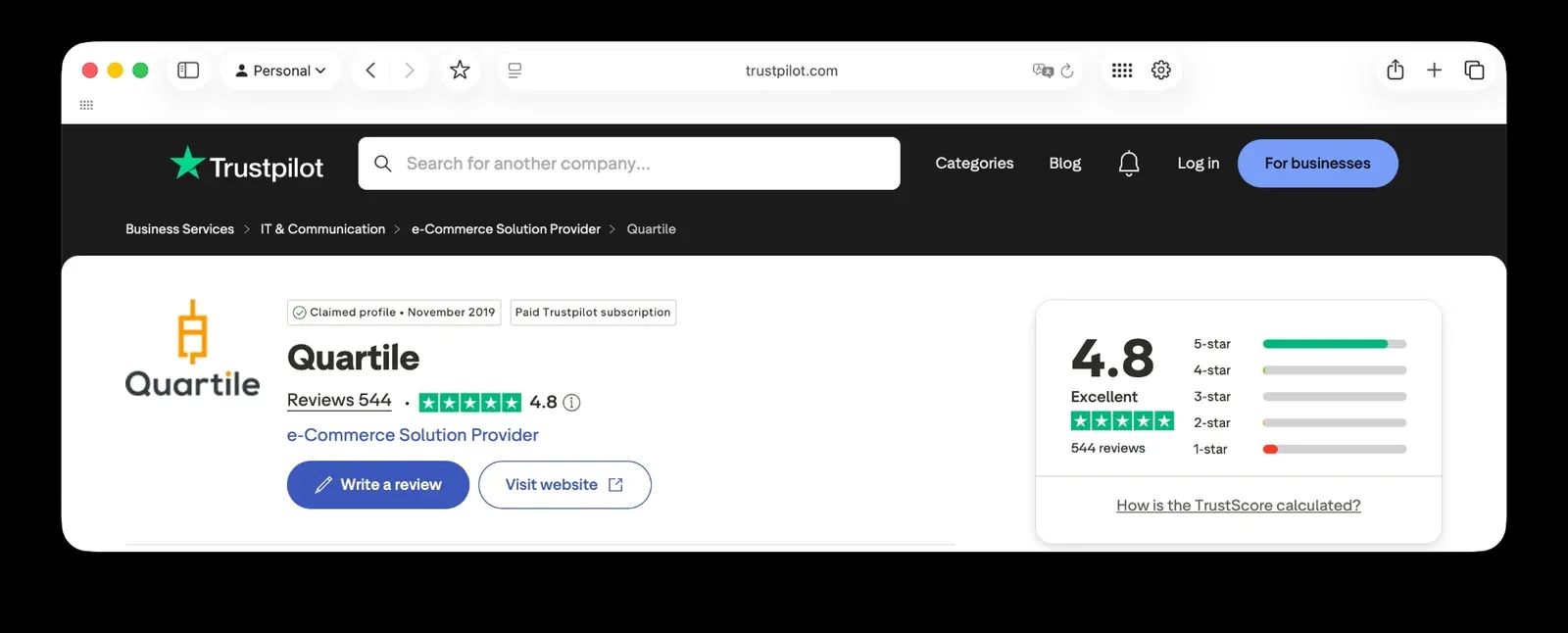
Here is how users rate their experience with Quartile on Trustpilot:
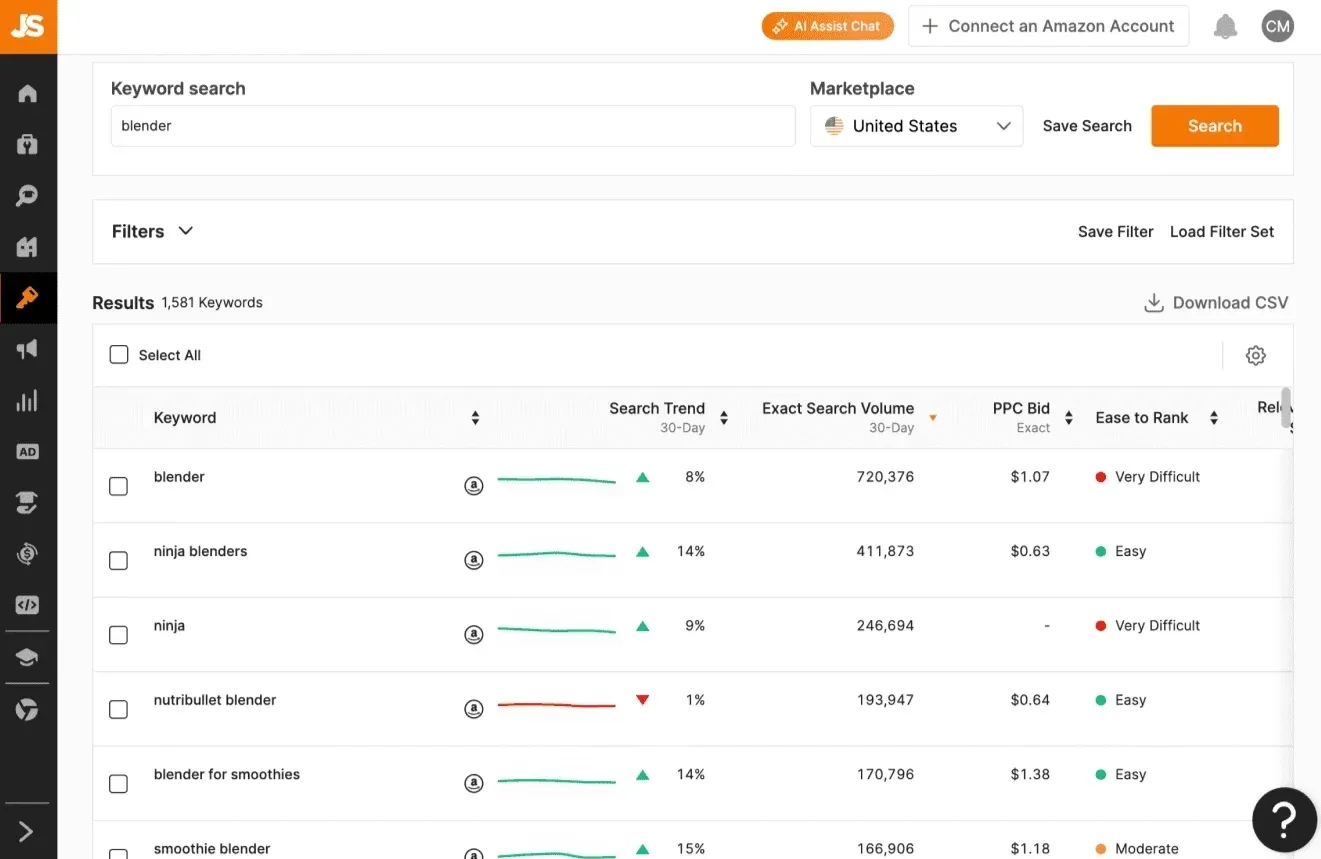
Jungle Scout Cobalt (formerly Downstream) is more of an analytics and attribution platform than an automation tool. It pairs Amazon Ads reporting with Jungle Scout’s market data to measure performance accurately, and it targets enterprise advertisers with large budgets and complex reporting needs.
Pros
Cons
Free plan / trial: No free plan. Demo available. Starting price: Custom pricing.
Choose it if: you manage a large Amazon Ads budget and need strong attribution and market data. Skip it if: you mainly want automation, or you are a smaller seller.
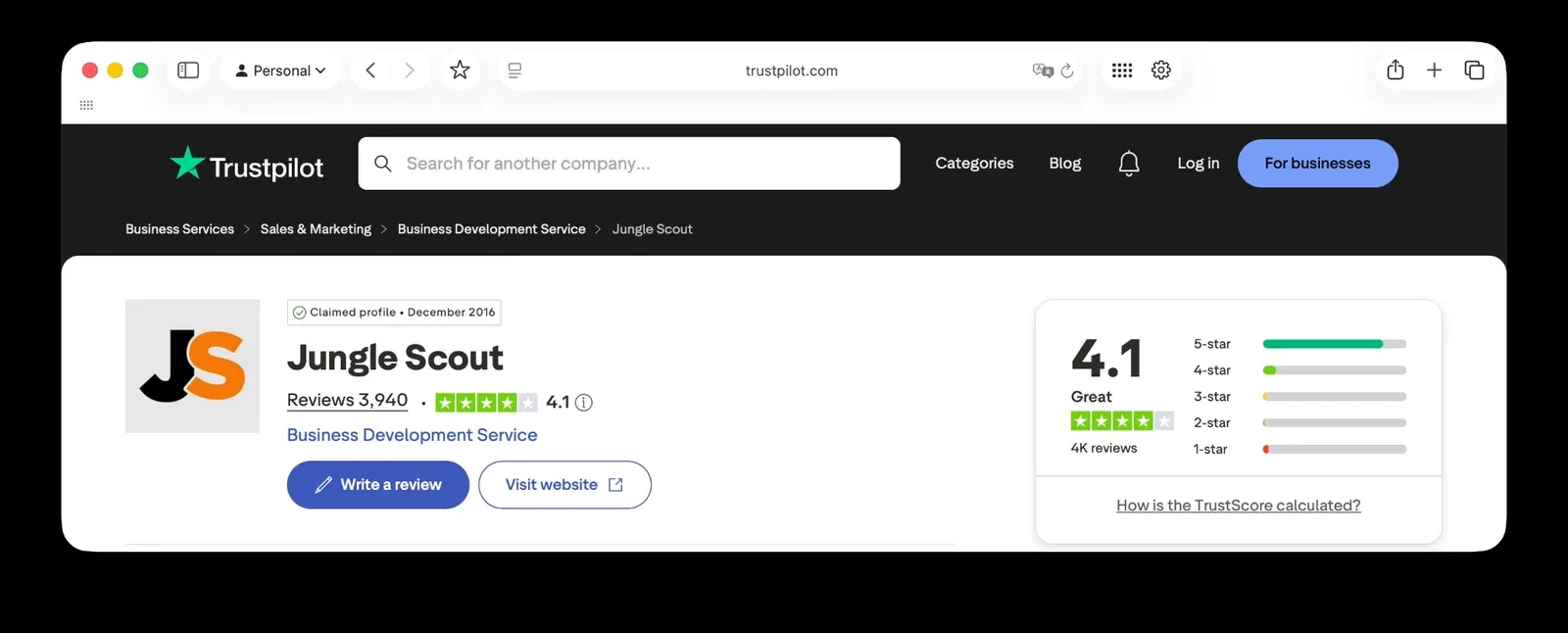
Here is how users rate Jungle Scout Cobalt on Trustpilot:
Hector’s edge is real-time Amazon Ads data, instead of the once-a-day updates most tools give you. It offers detailed reporting, custom automation rules, and manual control, which suits advertisers who like to decide from the data themselves rather than trust full automation.
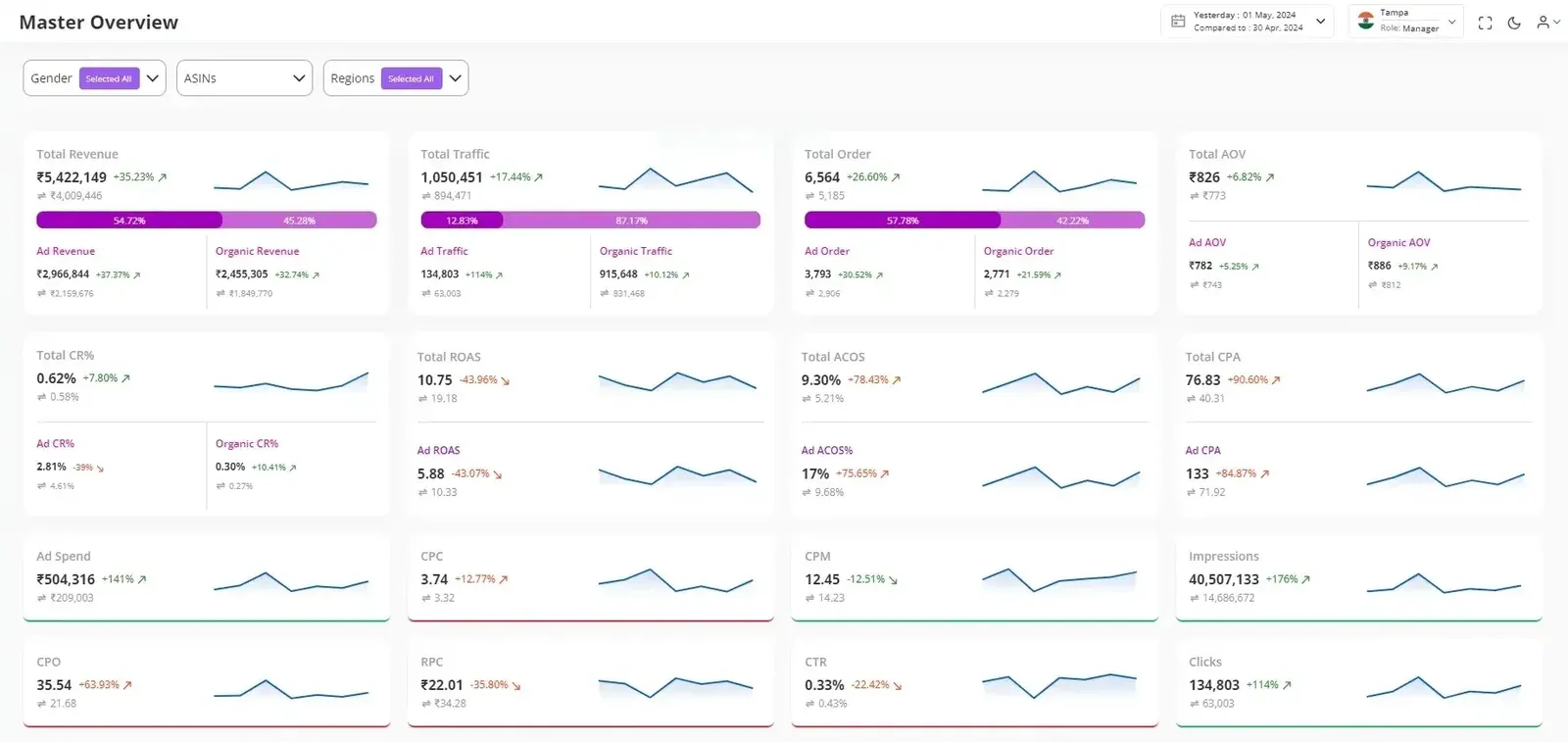
Pros
Cons
Free plan / trial: No free plan. Demo available. Starting price: Custom pricing.
Choose it if: you are data-driven and want real-time data plus your own rules. Skip it if: you want a long-established platform or fully hands-off AI.
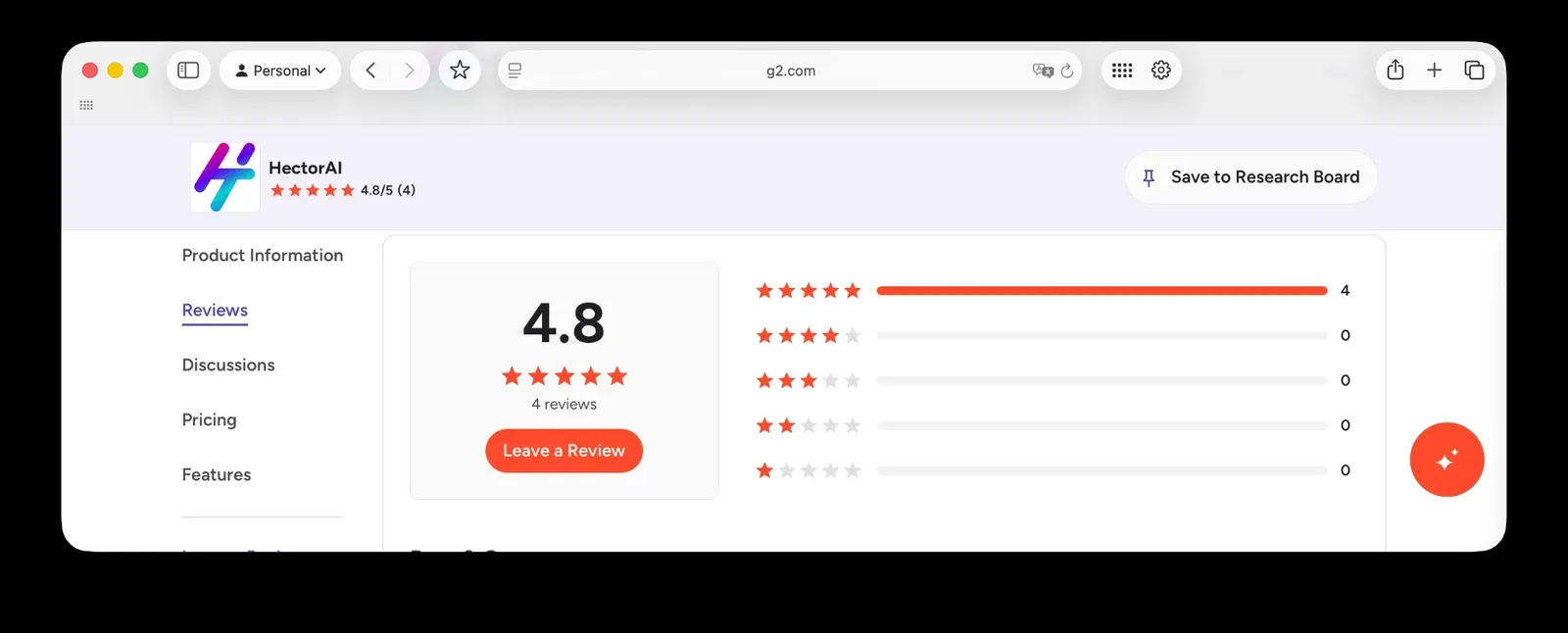
Here is how users rate Hector on G2:
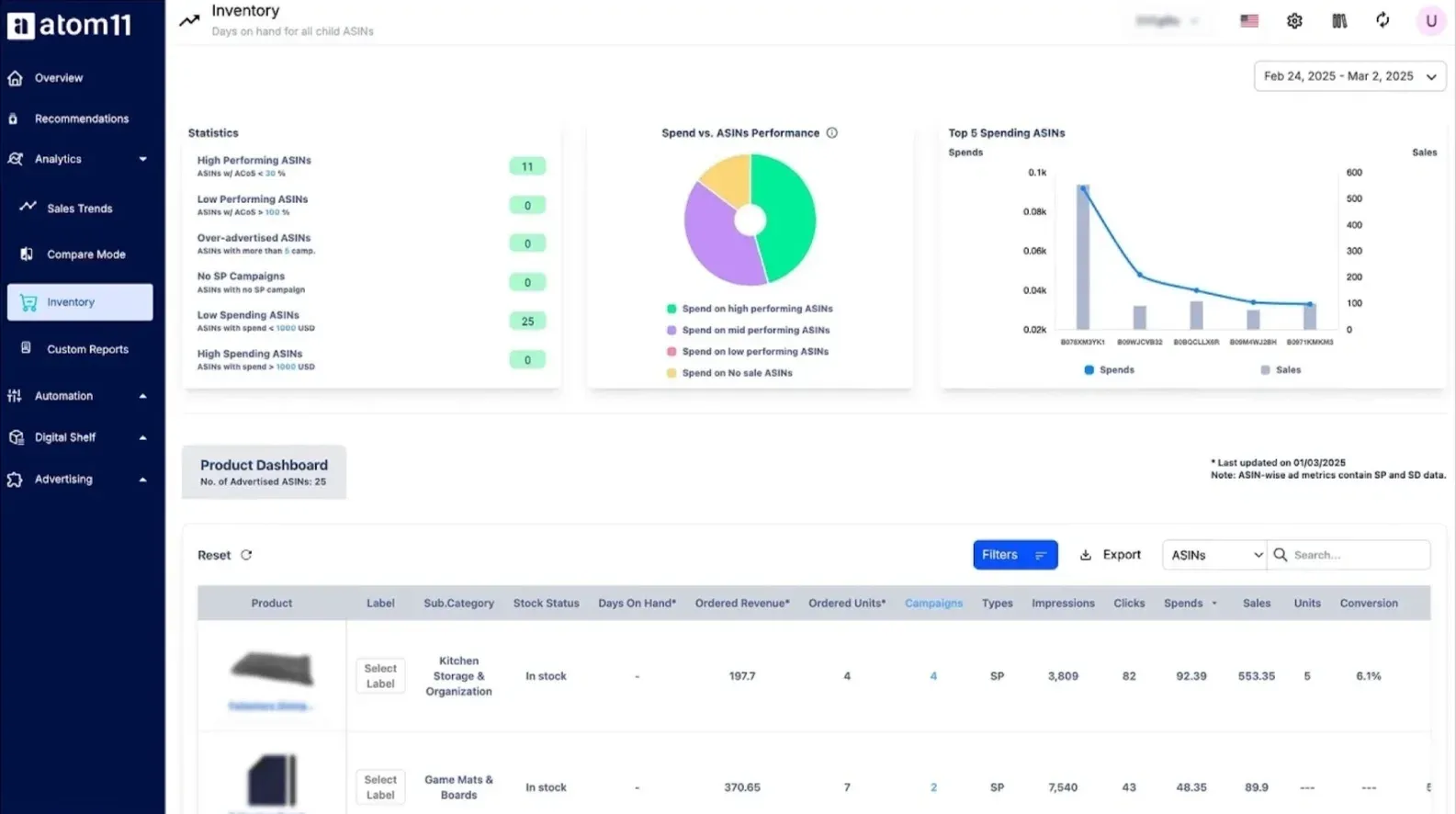
Atom11 connects PPC automation with inventory and pricing data, so campaigns react when stock runs low or a price changes. That helps you stop spending on products you cannot fulfill or that are no longer competitive. It also includes agency tools for managing multiple accounts.
Pros
Cons
Free plan / trial: No free plan. Demo available. Starting price: From $499/month.
Choose it if: you want ad automation that reacts to stock and price, plus agency tooling. Skip it if: you want a fixed price regardless of spend, or a full P&L.
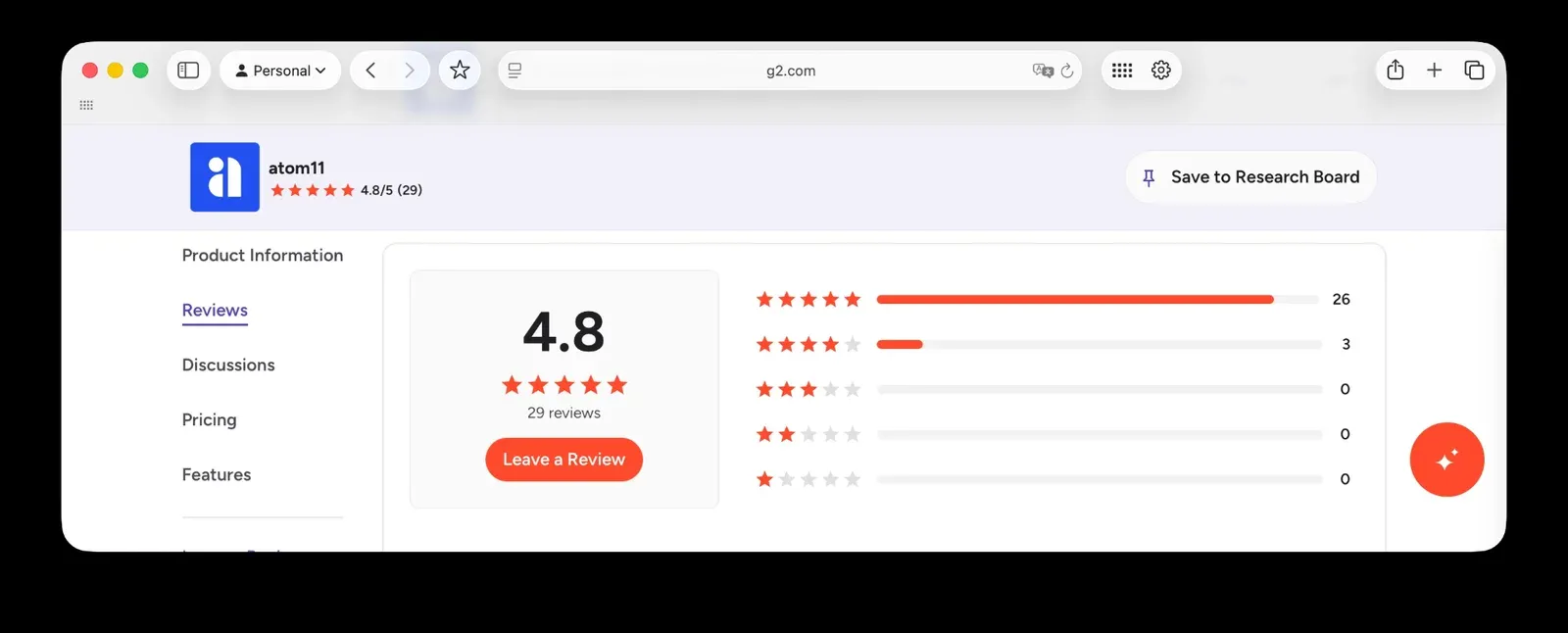
Here is how brands and agencies rate Atom11 on G2:
Every tool on this list will help you spend less time on ads and cut the obvious waste. The best one for you comes down to your budget, how much control you want, and how the tool charges as you scale, which is exactly what the four questions above are for.
One last thing worth repeating, because it is the mistake that costs sellers the most: PPC software measures advertising performance, not business profit. None of these tools shows your true margin after Amazon fees, FBA costs, refunds, and returns. It is completely normal to run great campaigns and still lose money on a product without realizing it.
So once your ads are handled, close the loop. Pair your PPC tool with a dedicated profit platform like My Real Profit so you can see your real, reconciled P&L right next to your ad spend, and finally know which campaigns actually make you money. That is the difference between optimizing ads and growing a profitable business.
The native console is fine for a few products. Once you have dozens of SKUs, its one-screen-at-a-time bidding and negatives eat your time, and you cannot apply logic across the whole account. Software exists to do that bulk work on a schedule.
Expect a learning period of two to four weeks while the tool gathers your click and conversion data. The first week can even dip as it explores. Judge performance over a full month, and avoid big manual changes in that window.
Yes. It uses Amazon’s official Advertising API and Login with Amazon, so you authorize access instead of sharing a password, and can revoke it anytime. Permissions cover ad data only, not your bank details or buyer information. Still, confirm the vendor is an approved Amazon Ads partner.
Not to start. Automation-first tools run on a target you set, while rule-based ones assume you know match types and negatives. Either way, you still set goals and read reports, so basic Amazon ads knowledge gets you far more value.
Nearly all handle Sponsored Products. Support for Sponsored Brands and Sponsored Display varies, and full DSP is usually enterprise-only. If a specific format matters to you, confirm it is automated, not just reported on.
Do not run two bidding tools on the same campaigns, as they fight over your bids. Trial a new one on separate campaigns instead. Switching later is easy since campaigns live in your Amazon account, but you lose the old tool’s learning, so give the new one time.