

March 10, 2023 ● 11 min read
Profit and Loss Statement for Amazon Sellers









The best Amazon inventory management sales analytics tools are My Real Profit for profit per SKU behind every reorder, SoStocked for restock forecasting, Descartes Sellercloud for high-volume multichannel operations, Cin7 for brands that sell beyond Amazon, and GETIDA for recovering money Amazon owes you. Amazon stock control goes wrong in two ways. Run out and you lose rank and the Buy Box. Order too much and you pay storage, aging and low-inventory fees on units nobody bought. The 13 tools below help with three jobs: working out what to reorder, keeping stock counts correct across marketplaces, and getting back money Amazon owes you for lost units. We scored all 13 on restock forecasting, multi-channel sync, purchase orders, FBA reimbursements, multi-account support and price. Only two of them, Sellercloud and Cin7, do two of those three jobs, and none do all three. Only My Real Profit tells you whether the reorder made money, which is what amazon inventory management reporting is for.
Every price below is the month-to-month rate for a new customer. That matters here: one vendor quotes only an annual rate, and three publish no price at all. Scores are out of 100, using the six criteria above. My Real Profit leads on a seventh criterion the other 12 do not address, sales analytics: profit per SKU after fees, ads, returns and storage.
| Rank | Tool | Score | Starting price | Standout strength | Best for |
|---|---|---|---|---|---|
| 1 | My Real Profit | 72/100 | $47/mo | Profit per SKU behind every reorder | Sellers who want stock decisions judged on margin |
| 2 | SoStocked | 69/100 | $250/mo | Best-in-class forecasting | Brands managing FBA restock limits and seasonality |
| 3 | Descartes Sellercloud | 66/100 | $1,349/mo (annual only) | Deep, configurable ops coverage | High-volume multichannel operations |
| 4 | Cin7 | 65/100 | $349/mo | Strong inventory depth for the price | Brands mixing DTC, marketplaces and wholesale |
| 5 | Linnworks | 64/100 | Custom | Strong multi-channel ops | Merchants centralising stock and orders |
| 6 | Extensiv (Skubana) | 64/100 | Custom | Robust order and inventory ops | Complex fulfilment across FBA, 3PLs and warehouses |
| 7 | RestockPro | 61/100 | $49/mo | Practical restock workflow | FBA sellers needing replenishment suggestions |
| 8 | Rithum (ChannelAdvisor) | 61/100 | Custom | Enterprise breadth | Large brands across many channels |
| 9 | InventoryLab | 60/100 | $69/mo (bundle only) | Prep and shipment workflows | Arbitrage and wholesale resellers |
| 10 | Zentail | 60/100 | $300/mo | Smart listing management | Brands expanding across marketplaces |
| 11 | Veeqo | 58/100 | Free shipping, paid inventory | Free multichannel shipping | Multi-channel SMBs wanting stock sync |
| 12 | GETIDA | 51/100 | Free, then 25% of recoveries | Recovers real money | Any FBA seller leaking money to Amazon errors |
| 13 | AccelerList | 49/100 | $40/mo | Efficient listing workflow | Resellers listing across Amazon and eBay |
Five questions settle this faster than a feature list.
Start a trial on the two that fit before you sign anything annual, the same way you would with best Amazon PPC software.
Thirteen platforms, in score order.
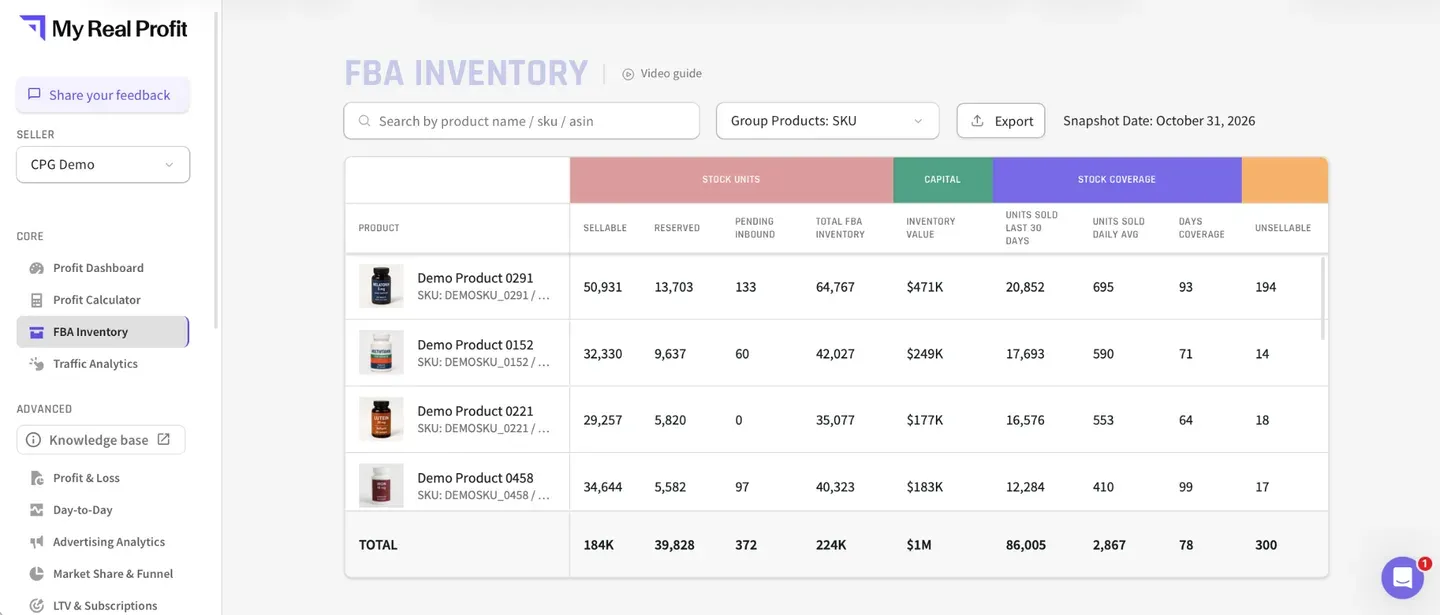
My Real Profit does the sales analytics half of this page, not the operations half: there are no purchase orders, no multi-channel stock sync and no reimbursement claims. Its FBA Inventory report flags each SKU as Critical, Moderate, Healthy or Overstock, splits stock into sellable, inbound, customer orders, FC transfer and reserve, and works out days of cover from rolling 7-day and 30-day sales velocity. The Advanced FBA Inventory report also splits each SKU into organic and PPC sales and names the campaigns burning the last units, and the Profit Dashboard, Profit and Loss Statement and Profit Calculator sit beside it, so the SKU you are about to reorder comes with what it actually earned after fees, ads, returns and storage.
Pros
Cons
Free plan / trial: 21-day free trial, no credit card required. The trial gives full feature access but only two months of history. Starting price: $47/month for Core, or $470/year. Advanced is $147/month, or $1,470/year. Both include $100k a month in Amazon sales, then $10 per extra $100k.
Choose it if: you want the reorder decision judged on margin, not on unit counts alone. Skip it if: you need purchase orders and multi-channel stock sync inside the same tool.
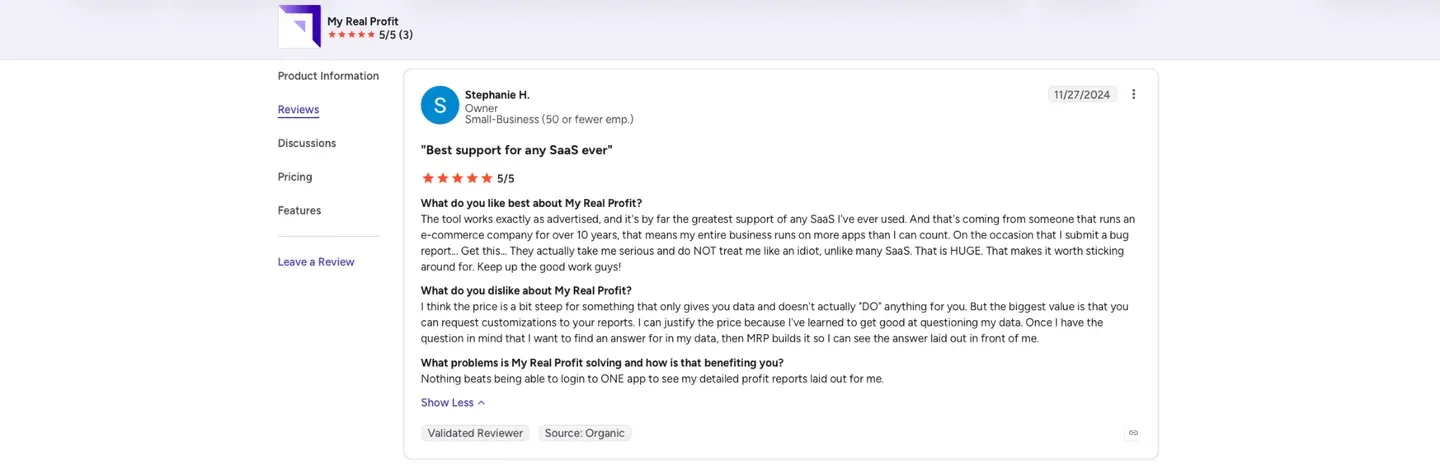
Here is how sellers rate My Real Profit on G2:
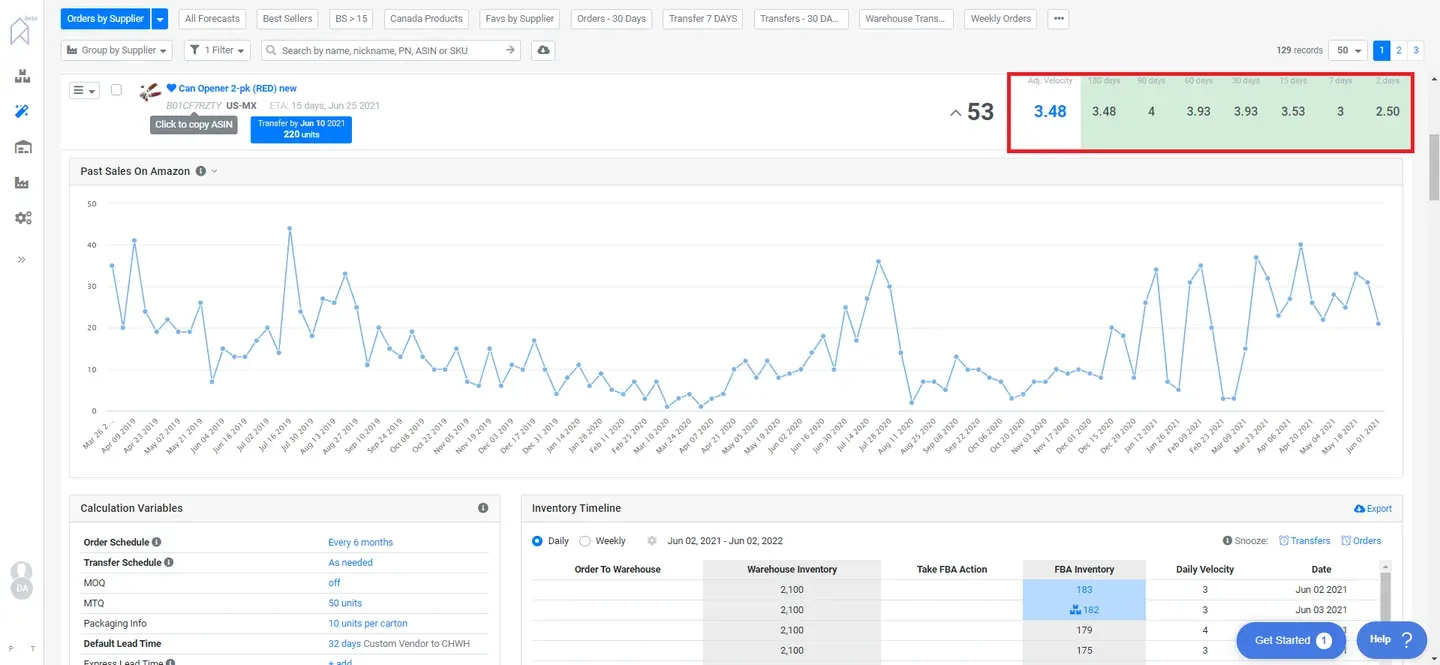
SoStocked now sells in two tiers under SPS Commerce. The forecasting this page compares is in the higher tier: Advanced Forecasting, Inventory Dashboards, Reorder Alerts and PO Creation, plus a feature that builds Amazon restock limits into the plan. It plans Amazon stock only.
Pros
Cons
Free plan / trial: Free trial on ProfitFlow only. ProfitFlow + Inventory is demo only, and the trial length is not stated. Starting price: $250/month for ProfitFlow + Inventory, or $97/month for ProfitFlow alone.
Choose it if: Amazon is your whole business, and stockouts or storage fees already cost you more than the subscription. Skip it if: you sell off Amazon too, or you planned around the $79/month figure that older roundups still show. That price is from before the acquisition.
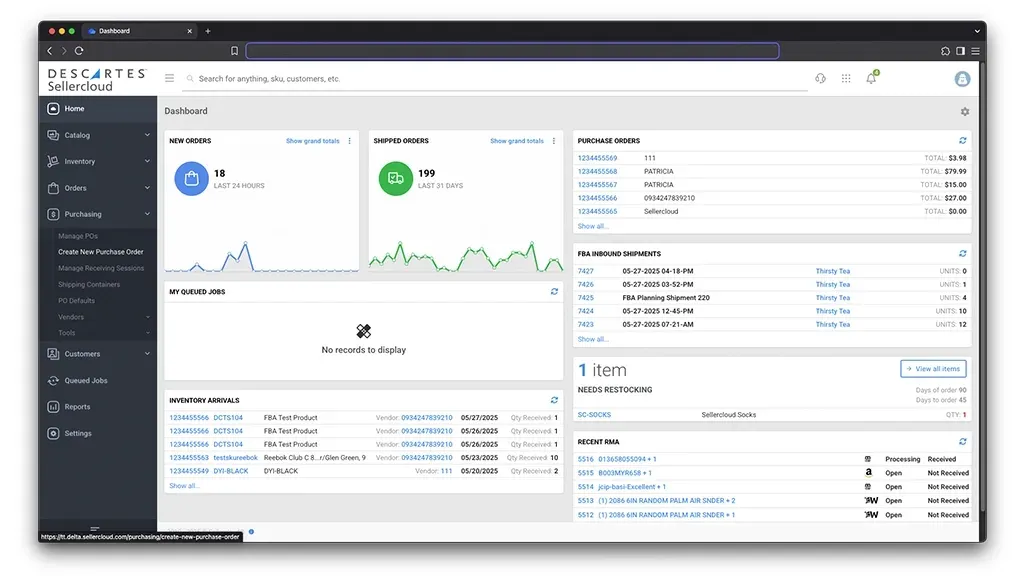
Sellercloud, now Descartes Sellercloud, covers catalog, listings, inventory, warehouse, orders, purchasing and shipping in one system, plus kitting, dropshipping and multi-warehouse fulfilment. Users and integrations are unlimited rather than charged per seat.
Pros
Cons
Free plan / trial: None. Demo only. Starting price: From $1,349/month on a 12-month licence, priced per order.
Choose it if: you want one system for catalog, inventory and fulfilment, and enough volume to justify it. Skip it if: you need a price you can walk away from next month.
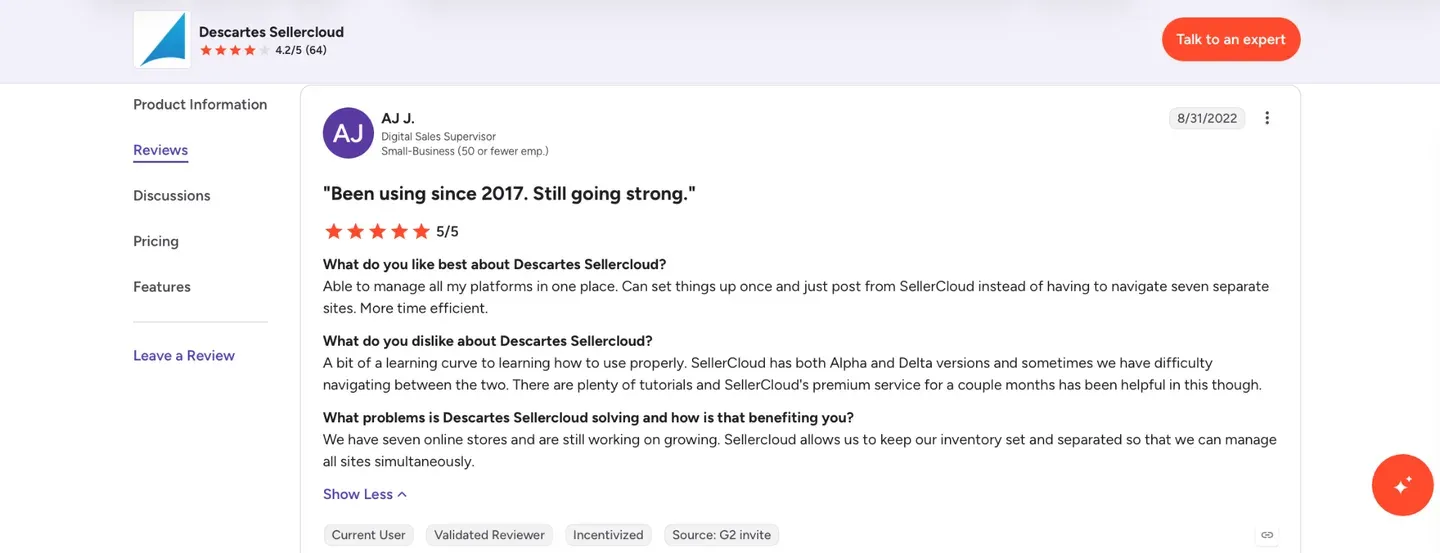
Sellercloud has a medium-sized review base, which is the most useful signal at this price. Here is how sellers rate Descartes Sellercloud on G2:
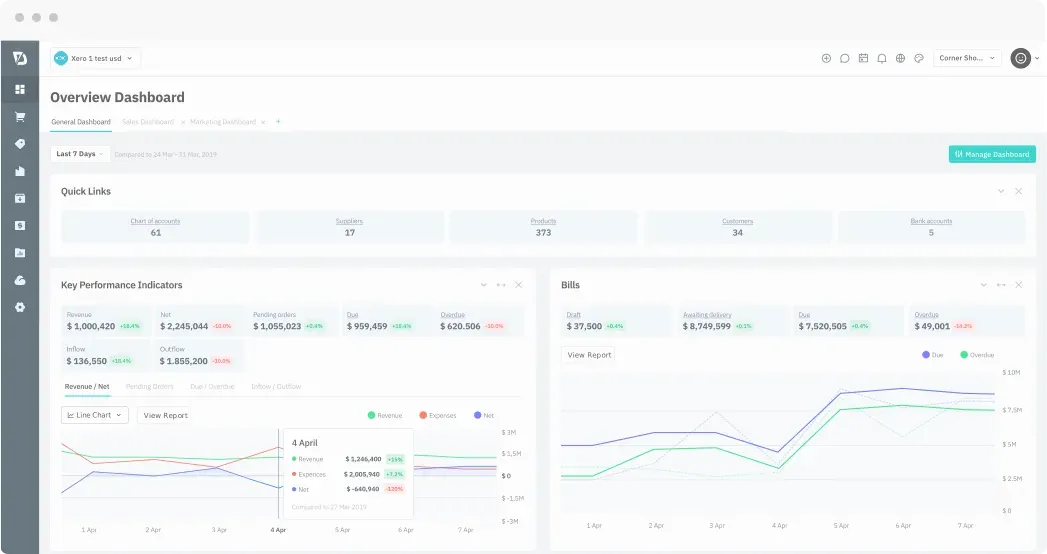
Cin7 Core has three tiers, Standard, Pro and Advanced, with quote-only Cin7 Omni above them. Standard gives 5 users, 2 integrations and unlimited stock locations, with barcode scanning, purchase orders and Xero and QuickBooks Online sync. Amazon is one channel here, not the focus.
Pros
Cons
Free plan / trial: Free trial. Cin7 does not state the length, and third-party listings say 14 days. Starting price: $349/month for Core Standard, $599 for Pro and $999 for Advanced. Omni is quote-only.
Choose it if: one stock pool feeds Amazon, your own site and wholesale. Skip it if: you only sell on Amazon, where a cheaper specialist does more.
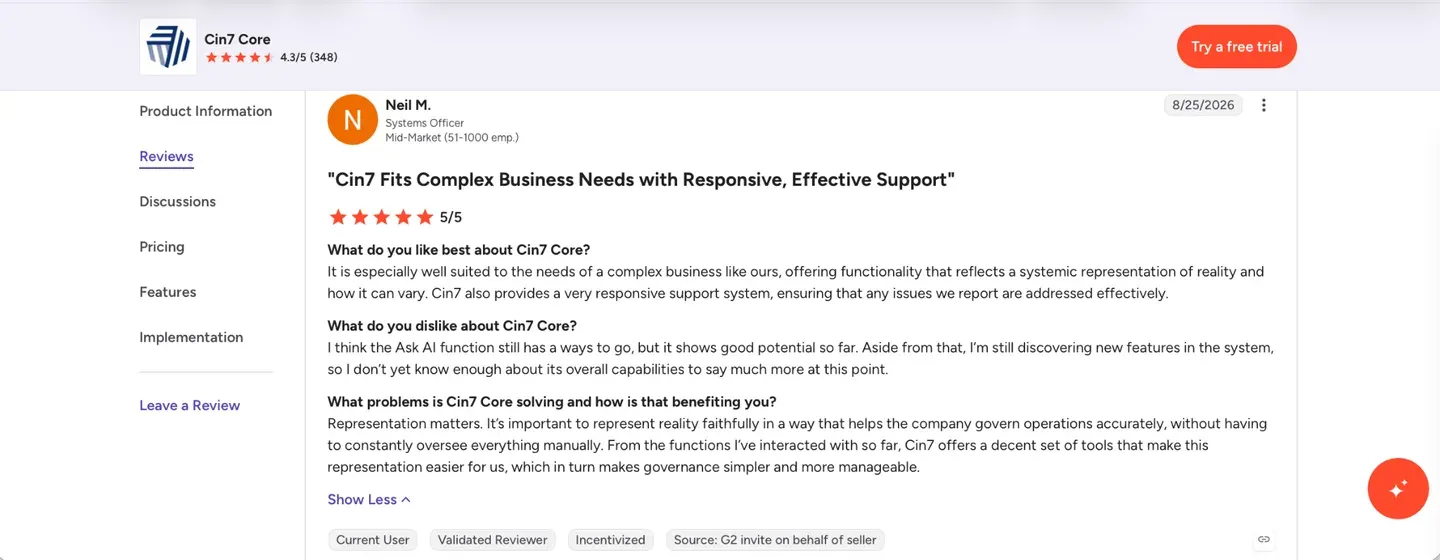
Cin7 has far more reviews than anything else here, and the two main platforms agree, so the feedback is worth reading. Here is how users rate Cin7 Core:
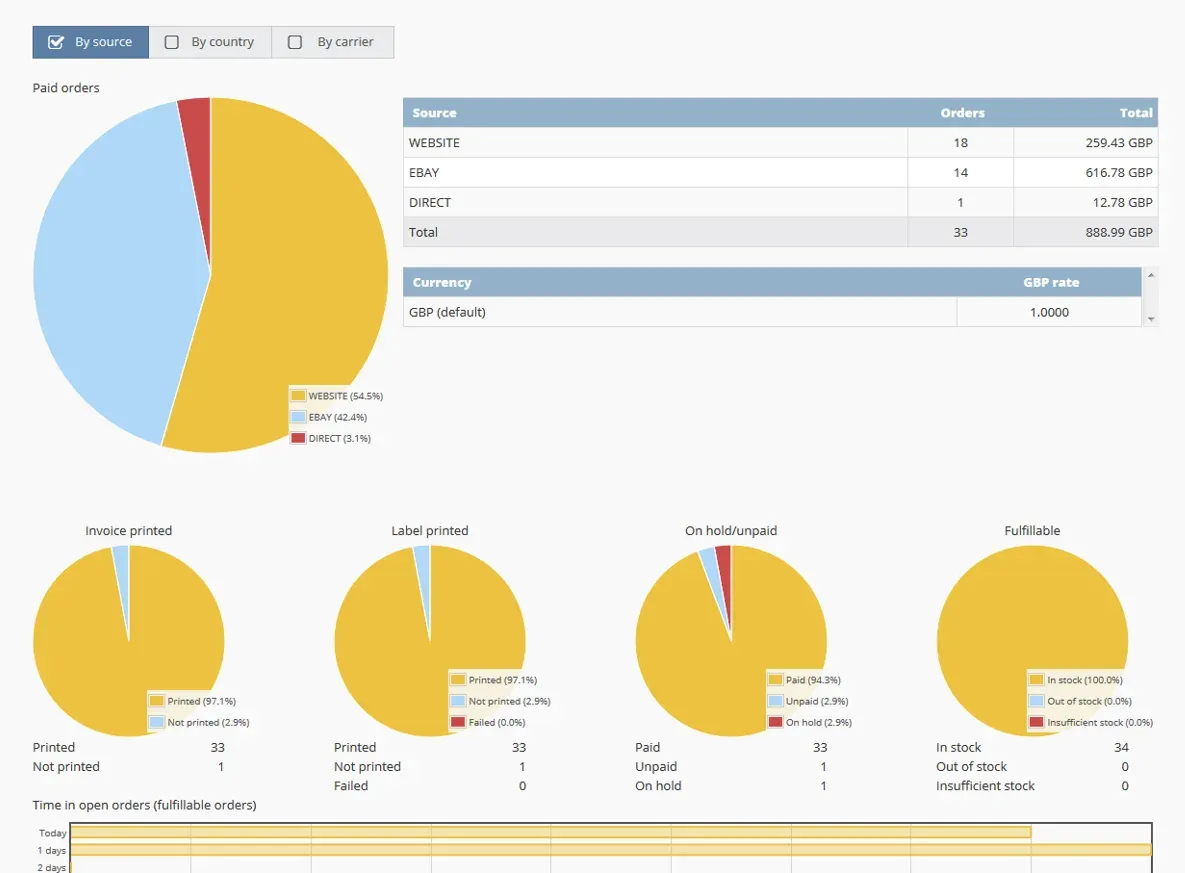
Linnworks moves orders and keeps stock counts correct. It does no Amazon restock forecasting, so it scores zero on that. What it covers is the catalog, purchase orders, shipping, reporting and API access, with rules-based automation across marketplaces and carriers.
Pros
Cons
Free plan / trial: No trial information published. Starting price: Custom. Linnworks publishes nothing, and third-party listings say about $150 to $449/month.
Choose it if: keeping stock counts right across many channels is your main problem. Skip it if: you want forecasting, or a price you can check before a sales call.
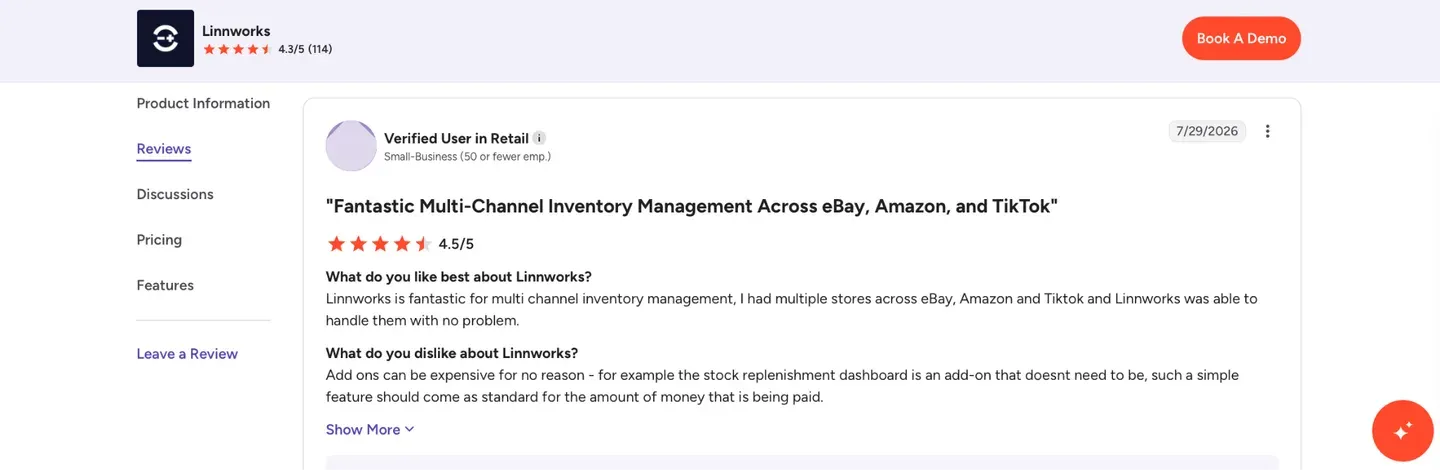
Linnworks ratings are often misquoted, so use the platform’s own figure. Here is how merchants rate Linnworks on G2:
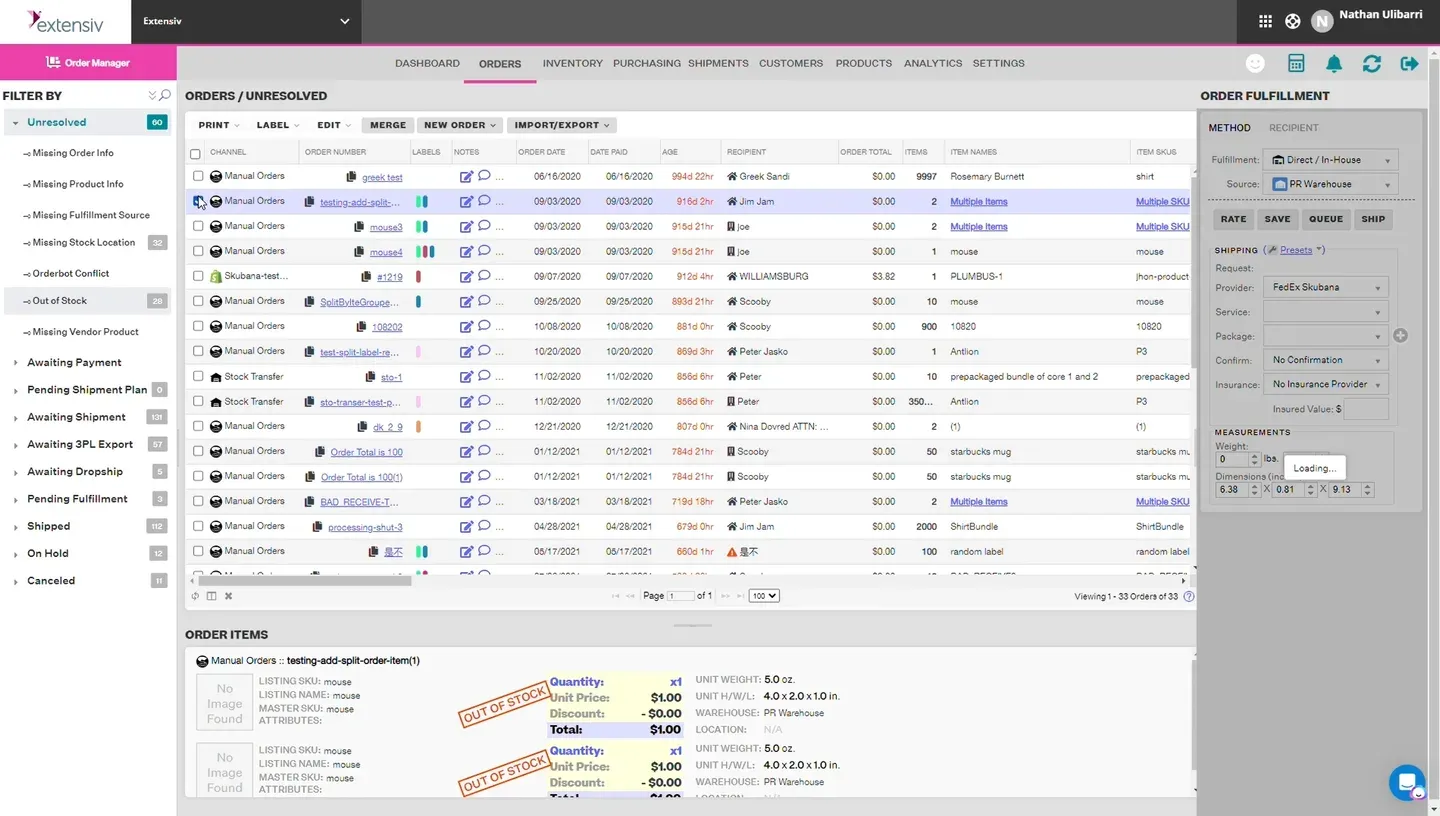
Extensiv Order Manager, once sold as Skubana, also does no Amazon restock forecasting. Its job is routing orders: orderbots split or assign orders by weight or stock location, Integration Manager connects over 100 order sources, and Network Manager handles rule-based routing.
Pros
Cons
Free plan / trial: No trial information published. Starting price: Custom. One aggregator lists $999 a year, which the vendor does not confirm.
Choose it if: you fulfil across FBA, 3PLs and your own warehouses. Skip it if: you are one seller with one stock location.
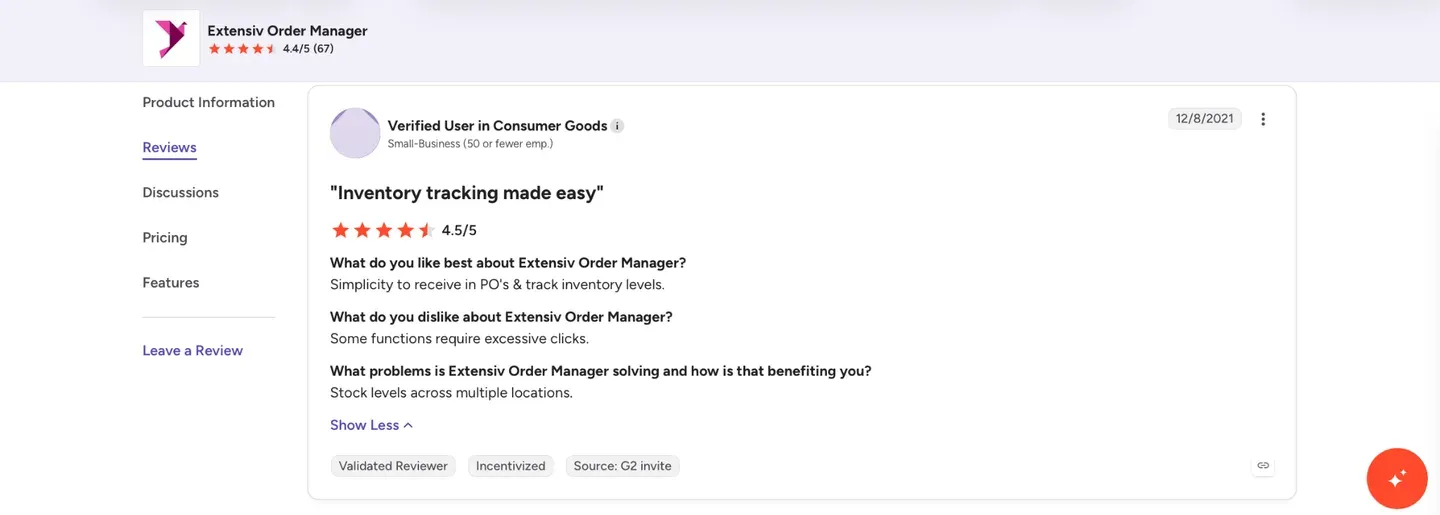
Extensiv has a medium-sized review base on one platform. Here is how operators rate Extensiv Order Manager on G2:
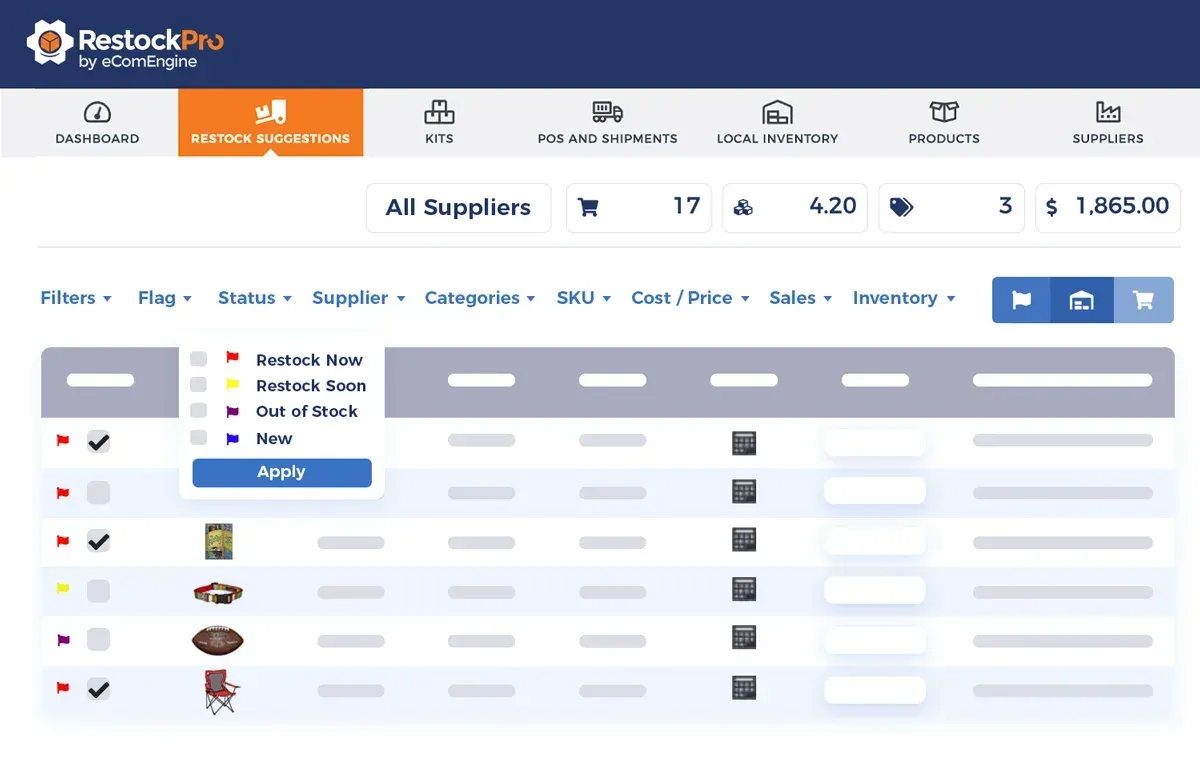
RestockPro is eComEngine’s FBA replenishment tool and the cheapest real forecaster here. Restock Suggestions use over 70 data points, priority flags show at-risk SKUs, and the days-of-supply view helps you avoid low-inventory and aging-inventory fees. Every tier includes every feature.
Pros
Cons
Free plan / trial: 21-day free trial, no credit card required. eComEngine does not publish the length. Starting price: $49/month at 1,000 FBA orders a month, rising in tiers up to 300,000.
Choose it if: you want restock suggestions without a four-figure commitment. Skip it if: stock also has to stay correct on eBay or Shopify.
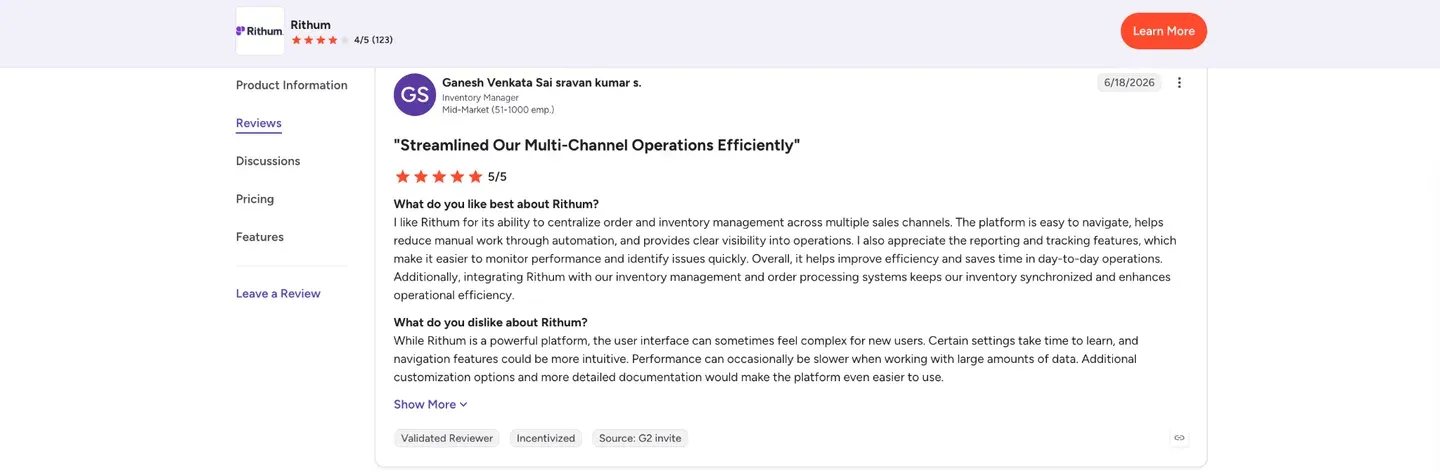
ChannelAdvisor is now called Rithum. It does no restock forecasting: it manages sales channels and marketplace advertising. It handles listings and product feeds across a large channel network, and it includes the Dsco dropship network from the CommerceHub side of the merger.
Pros
Cons
Free plan / trial: None. Demo only. Starting price: Custom. No published price. Third-party reports say a base above $2,000/month plus 1.3% to 3% of GMV, plus paid onboarding.
Choose it if: you are a large brand listing a big catalog and buying marketplace ads with it. Skip it if: you cannot accept a share of revenue leaving every month.
Here is how sellers rate Rithum on G2:
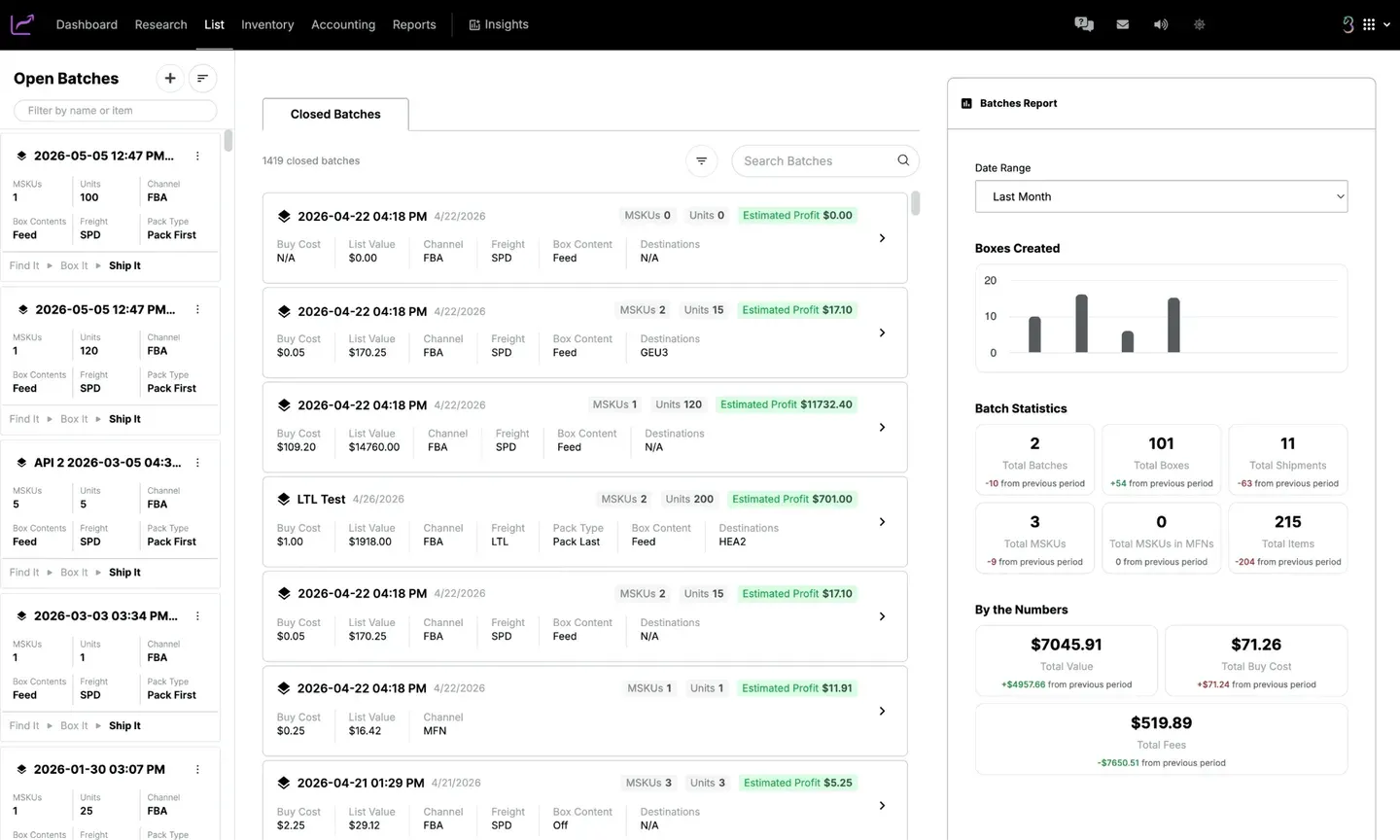
InventoryLab combines the Stratify web app, the Scoutify 2 scanner and InventoryLab Accounting. It takes sourced stock from buy list to box label in five steps, with MSKU creation and inbound plans. You can no longer buy it on its own, so the price below is for a bundle.
Pros
Cons
Free plan / trial: 14 days in total: 7 days, then 7 more after you connect an Amazon Seller Pro or Walmart account. Starting price: $69/month, or $780/year, for Seller 365 Standard, a ten-app bundle.
Choose it if: you source arbitrage or wholesale stock in the US and work in the prep flow daily. Skip it if: you are a private-label brand, or you sell outside the US.
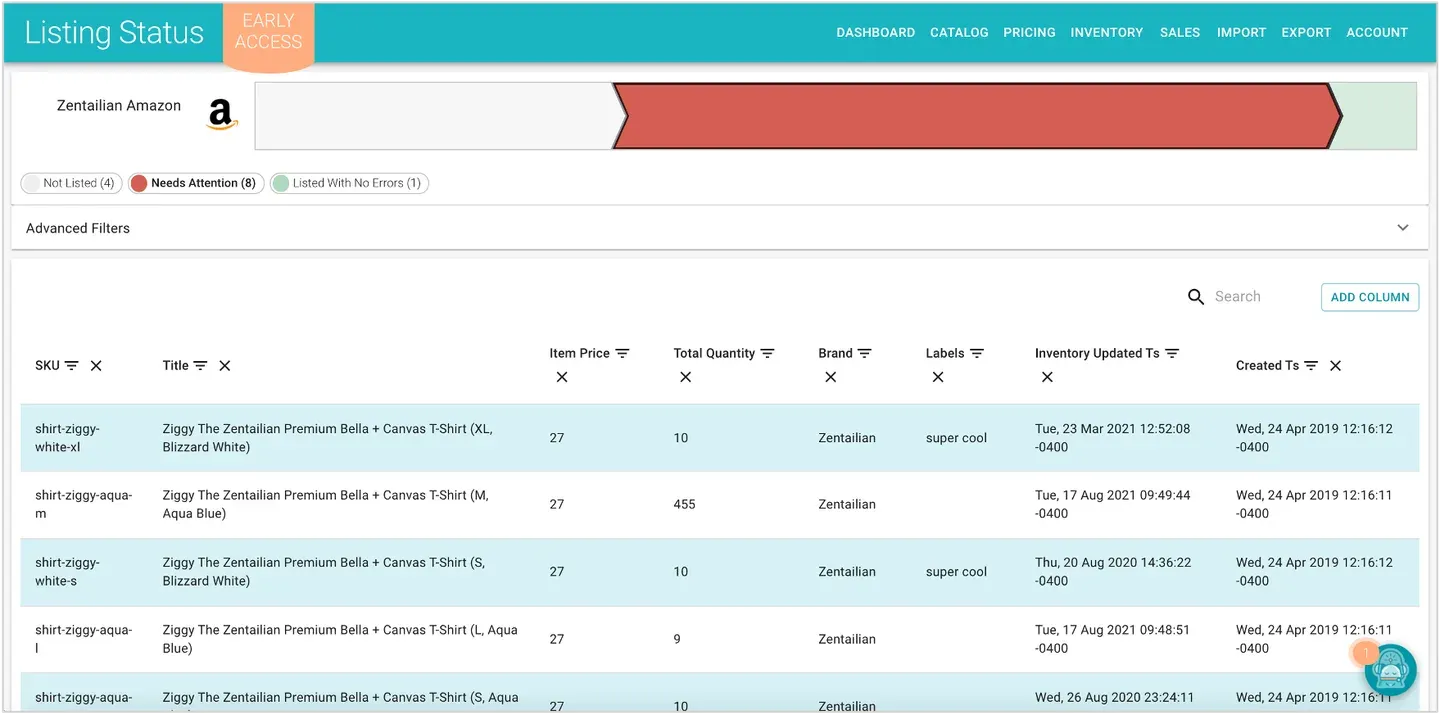
Zentail manages listings and channels first, which is why it scores zero on restock forecasting. SMART Types maps product data to each marketplace without templates, and automated change management updates your listings when a marketplace changes its rules, so they stay live.
Pros
Cons
Free plan / trial: None. Demo only. Starting price: $300/month is the floor for smaller sellers. Established multichannel brands start near $2,000/month, because pricing follows catalog size and sales volume.
Choose it if: your growth plan is Walmart, Target Plus and eBay rather than deeper Amazon control. Skip it if: Amazon is your only channel.
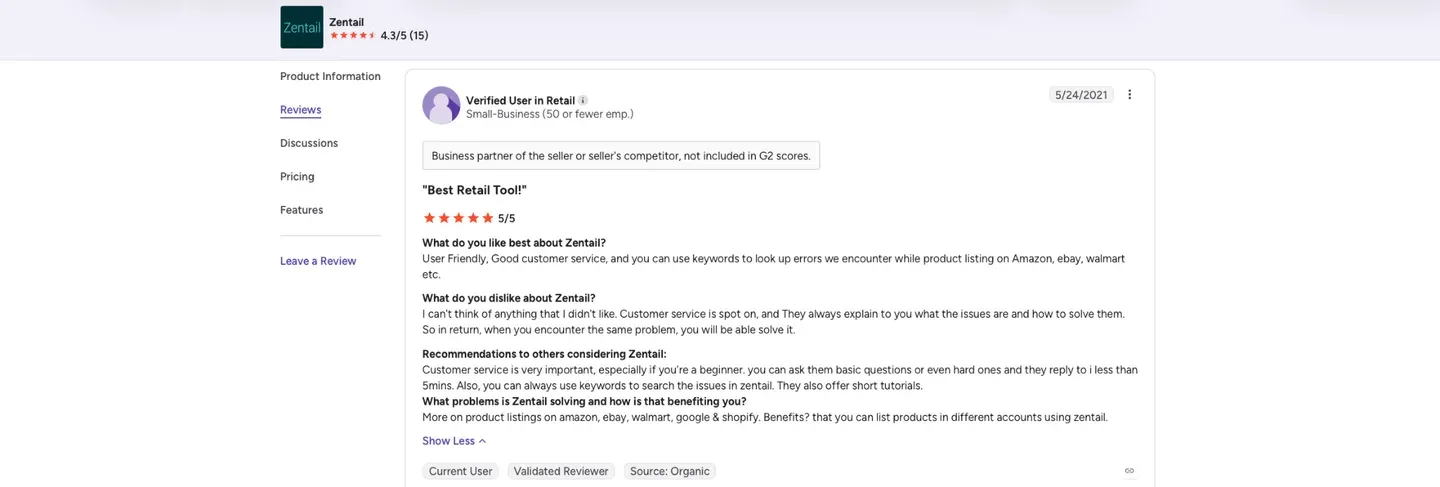
Zentail has only a small number of independent reviews, so read them as a sample rather than a verdict.
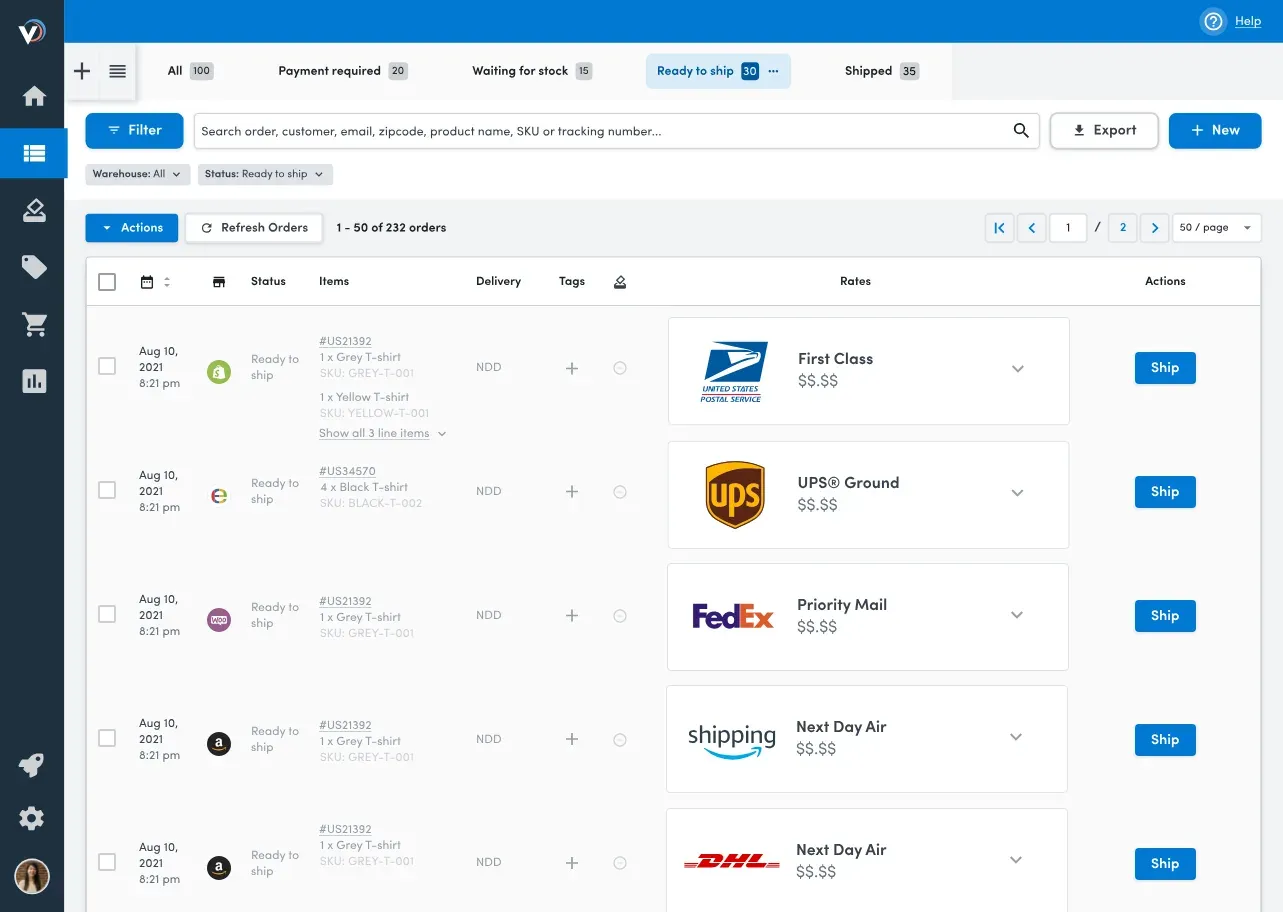
Veeqo is free for shipping, not for inventory, and that decides whether it fits your stack. Carrier commission pays for the free rate shopping, bulk shipping and order management, and you earn up to 5% back in Veeqo Credits. Inventory sync and digital picking cost extra.
Pros
Cons
Free plan / trial: Free plan covers shipping, and no card is needed. Inventory sync, digital picking, Veeqo Listings and ERP integrations are paid, and the free plan limits are not stated. Starting price: Free for shipping. The inventory tier is a paid add-on with no published price.
Choose it if: shipping cost is your problem and stock sync is a bonus. Skip it if: you are choosing a tool mainly to control inventory.
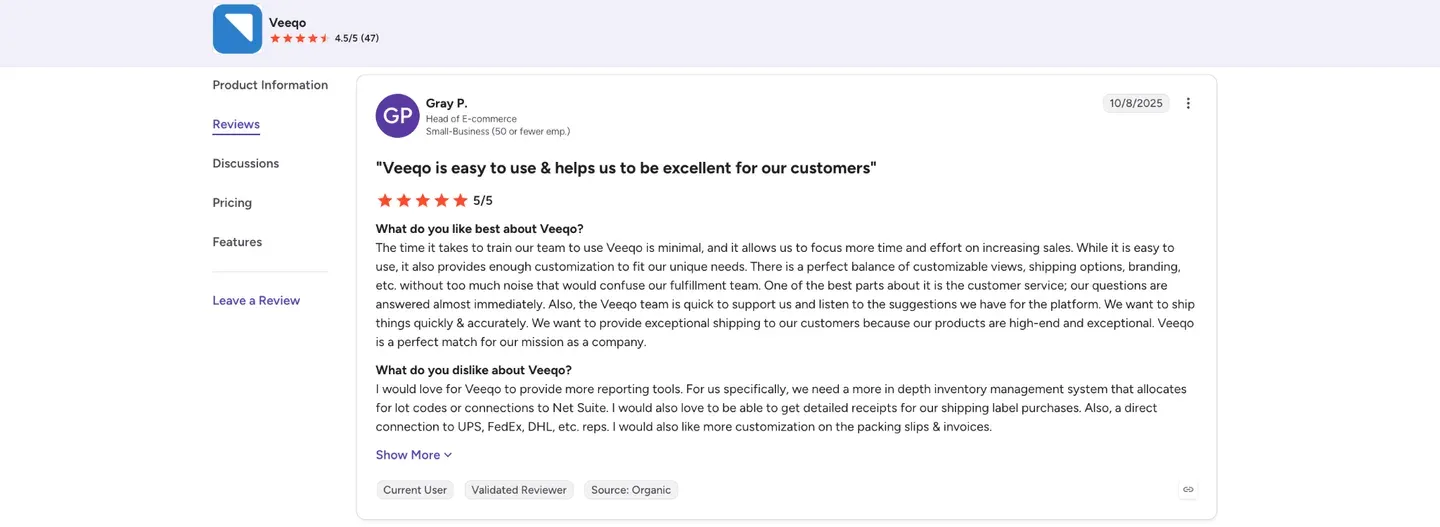
Ratings split hard by platform here, so read more than one before deciding.
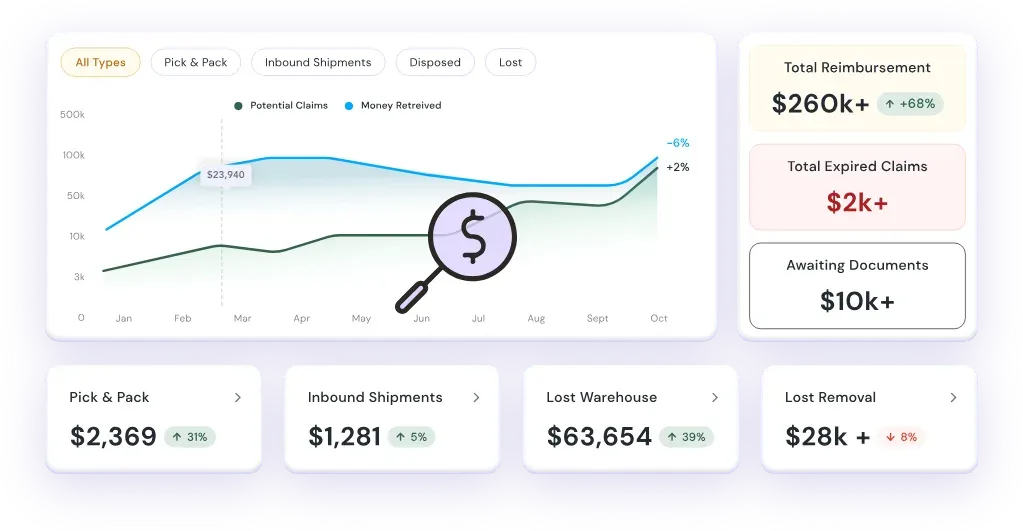
GETIDA does no forecasting, no purchase orders and no channel sync, so it scores zero on most of what this page compares. It checks your FBA transactions for lost units and fee errors, files the claims, and tracks every ticket, including the rejected ones.
Pros
Cons
Free plan / trial: Free to join, with a free audit before any charge. New accounts pay no commission on the first $400 recovered. Starting price: Free to join, then 25% of what it recovers. Sellers report negotiated rates of 10% to 18%, which GETIDA does not publish.
Choose it if: you ship real FBA volume and have never filed a reimbursement claim. Skip it if: someone already audits your claims in-house.
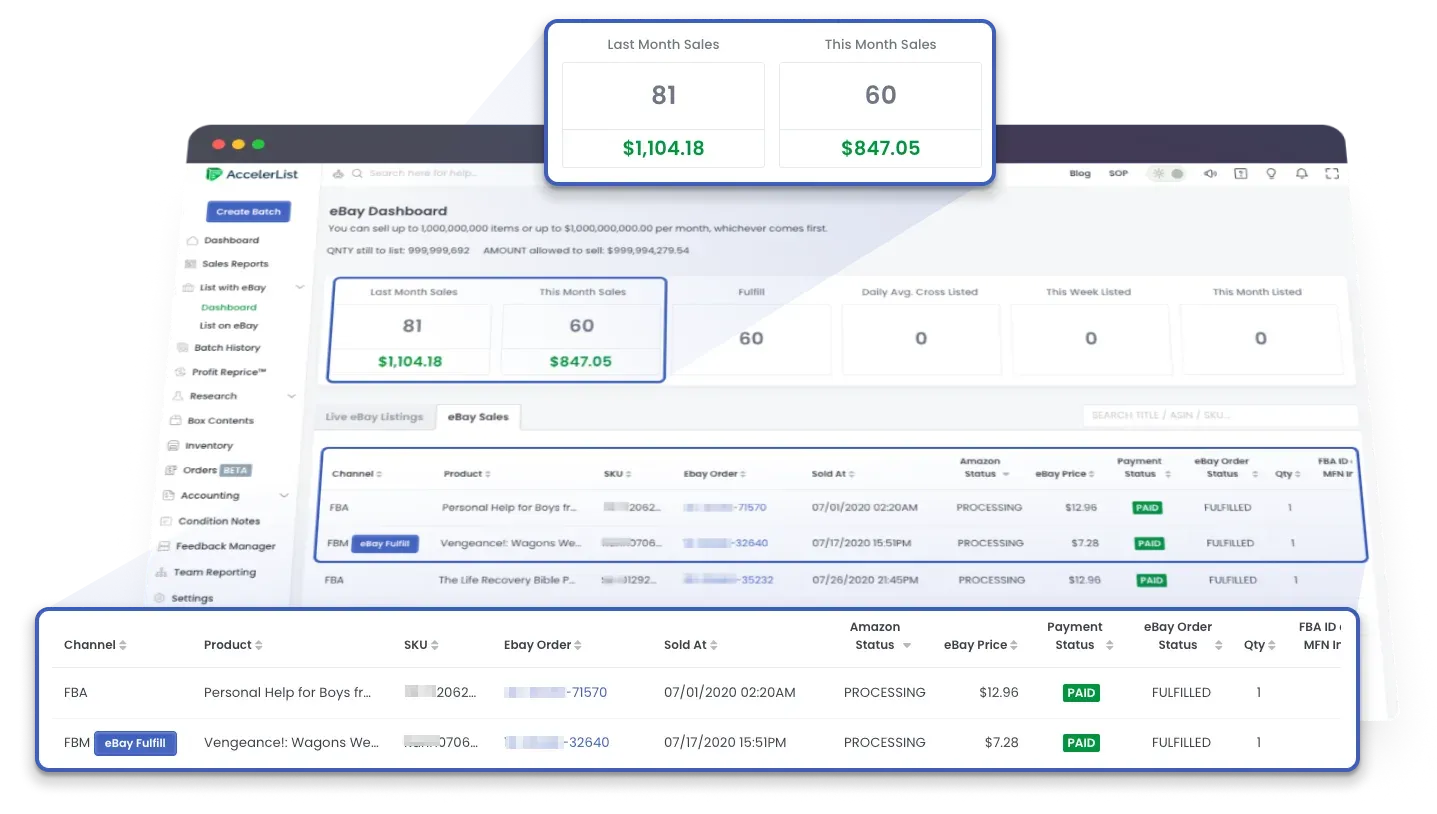
AccelerList has no restock forecasting and no multi-channel stock sync, so it comes last on our criteria. It is a listing and accounting tool: scan a stack, send the batch, print labels, cross-list to eBay, and track cost of goods down to who sourced each item.
Pros
Cons
Free plan / trial: 14-day free trial, card required. Starting price: $40/month on AccelerList’s own site, which publishes no pricing page. Older listings still show $34, so confirm at signup.
Choose it if: you list books and media in volume and want accounting in the same tool. Skip it if: you need to know what to reorder.
Start from the job you need done. My Real Profit is the pick when the question is whether the last reorder made money, not only what to reorder next. If Amazon is your only channel and the question is what to reorder, RestockPro is the cheap entry point and SoStocked is the deeper version of the same job. If stock feeds more than Amazon, Cin7 is the one that publishes its price and still has real inventory depth. If routing orders across channels, 3PLs and warehouses is the harder problem, Linnworks or Extensiv is the answer. Add GETIDA to whichever you pick, because it costs nothing until it recovers money. One warning before you commit. In this category the price you researched may not be the price you pay. These tools change hands often and prices move with them, so check the vendor’s own page before you build a budget around a number from a roundup.
Look at what is missing from the other 12 scorecards. Every operations tool here counts units, orders and channels. None of them works out what a SKU earned after fees, ads, returns and storage. So those 12 tell you what to reorder, not whether you should have. My Real Profit works under whichever tool you pick and turns those unit counts into margin per SKU, the same layer the best tools for amazon analytics comparison covers from the reporting side.
Amazon runs its own internal systems, which sellers never touch. What you get is Seller Central’s FBA Inventory and Restock Inventory pages, plus the reports behind them. Those are free, and every tool here builds on them, so it is worth reading our amazon seller reports guide before you pay for anything.
On our scoring, My Real Profit, SoStocked, Descartes Sellercloud, Cin7 and Linnworks take the top five. They solve different problems, and the order assumes you want forecasting or sync rather than reimbursements. If your real gap is research rather than stock, we rank the best Amazon tools for keyword research separately.
Veeqo is the only free option here, and only for shipping, because inventory sync is a paid add-on. Veeqo does not clearly state the limits of its free plan, so ask before you plan around it. GETIDA is free to join and takes 25% of what it recovers instead. Zoho Inventory has a free tier but is not Amazon-specific, which is why it is not on this list.
Amazon does not promise that the units you sent first are the units that ship first. Identical items from different sellers are stored together unless you use stickered inventory. For your own accounting, FIFO is the common choice, and InventoryLab and RestockPro both track cost per unit so the numbers hold.
Linnworks, Extensiv and Sellercloud all keep stock correct on both, and Veeqo does it on its paid inventory tier. AccelerList cross-lists to eBay but does not sync stock, so do not confuse the two.
Restock limits are set by your capacity, not your plans, so the tool has to forecast against the limit. SoStocked builds restock limits and AWD stock into its forecast directly, and RestockPro’s days-of-supply view keeps cover in the 29 to 180 day range that avoids low-inventory and aging fees.